


BLOG | News/Updates
The Oak Scoop: March 2026
In The Oak Scoop: March 2026 edition, our experts explore the differences between French and American oak, contact time considerations, and more!
by Brandon Haas
Published on 03/06/2026
ON THIS PAGE
Age your wine with oak chips.
- Shop Now
Welcome to The Oak Scoop, our monthly newsletter dedicated to keeping our customers informed on company updates, industry developments, product education, and the science behind oak in winemaking.
In March’s edition, we take a deeper technical dive into the structural and chemical differences between French and American oak, including how species composition influences aromatic compound expression and extraction behavior. We then examine how oak surface area and format directly affect extraction kinetics, helping you better determine dosage and contact time. Finally, we explore current industry shifts, share operational insight into OCI’s upcoming system improvements, introduce our new sales representative, and more. Let’s dive in!
French vs. American Oak
French vs. American oak is a highly debated topic in the winemaking industry. At a technical level, the differences between French oak (Quercus robur) and American oak (Quercus alba) go far beyond flavor preference. They begin with wood anatomy, grain density, and chemical composition.
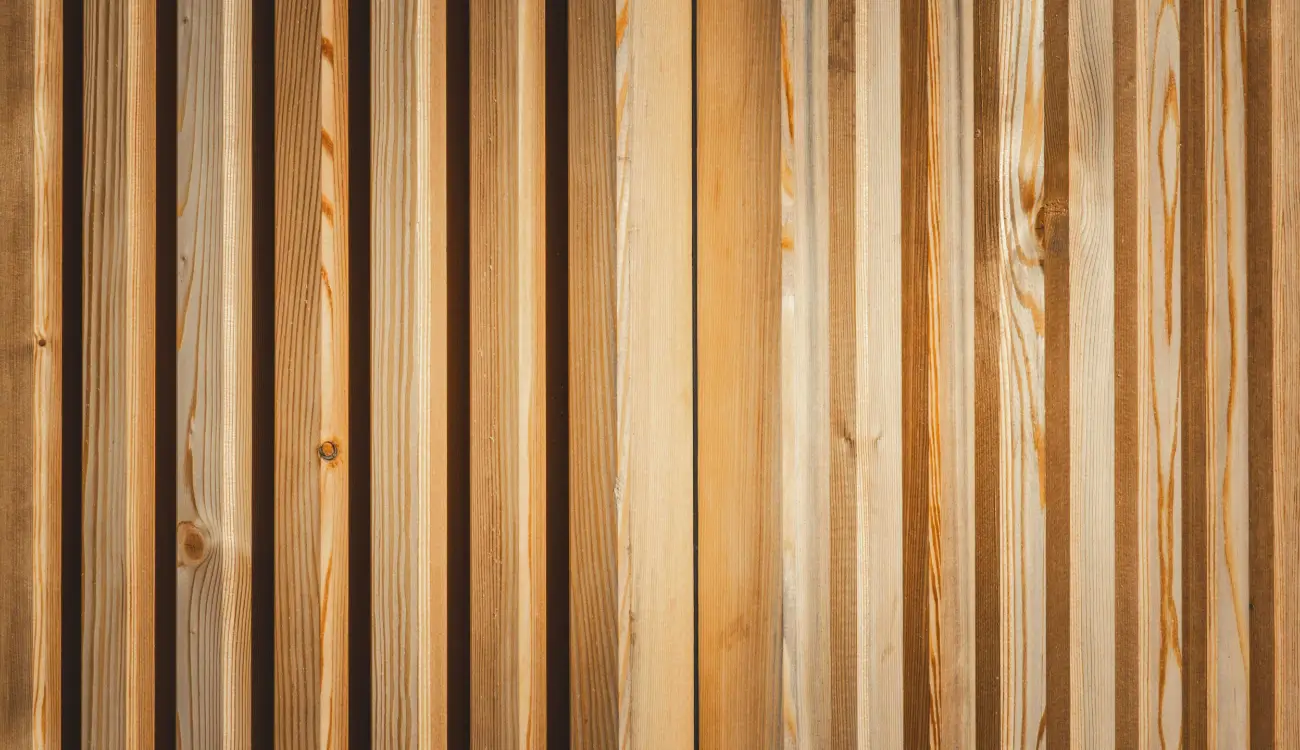
American oak generally contains higher concentrations of cis- and trans-oak lactones, compounds commonly associated with coconut, sweet wood, and vanilla aromatics. Because American oak also tends to have a slightly more open grain structure, extraction of certain volatile compounds can occur more readily during early aging phases.
French oak, by contrast, is often tighter grained and typically yields a more restrained aromatic profile depending on forest origin and toast level. It is frequently associated with subtler spice, structure, and integration rather than overt sweetness.
From a winemaking standpoint, the technical consideration is this:
-
- If the objective is early aromatic impact and sweetness perception, American oak may express those compounds more quickly.
- If the goal is gradual integration and structural refinement, French oak often provides a slower extraction curve that supports longer aging trajectories.
- Of course, toast level, dosage, and contact time ultimately determine how either species performs in a given wine.
Interested in learning more about the differences between French and American oak?
As seen above, there are quite a few differences between the two oak types. In a previous blog, our experts conduct a deeper dive.
Surface Area & Extraction Kinetics
One of the most overlooked variables in oak application is surface area-to-volume ratio. Smaller oak formats expose more surface area per unit of wood, which directly increases extraction rate.
In simplified terms:
-
- Chips (small grade) → Highest surface area → Fastest extraction
- Chips (large grade) / cubes → Moderate surface area → Controlled extraction
- Staves / larger segments → Lower surface area → Slowest extraction
However, extraction is not simply about speed. Early extraction phases typically release more volatile aromatics and low molecular weight compounds, while longer contact times allow for deeper integration of structural elements.
This is why dosage decisions should never be made independently of contact time. In many cases, winemakers achieve better balance by using a lower dose and longer time, or a larger format and extended aging, rather than increasing dose to accelerate impact.
Precision & Data-Driven Winemaking
As we take a macro view of the winemaking industry, we see that while winemakers are continuing to navigate cost pressures and shifting demand, there is a noticeable move toward precision-driven winemaking decisions.
Rather than broad stylistic changes, many producers are refining variables at a smaller level—tightening dosage calculations, tracking extraction curves more closely, and running structured oak trials with measurable outcomes.
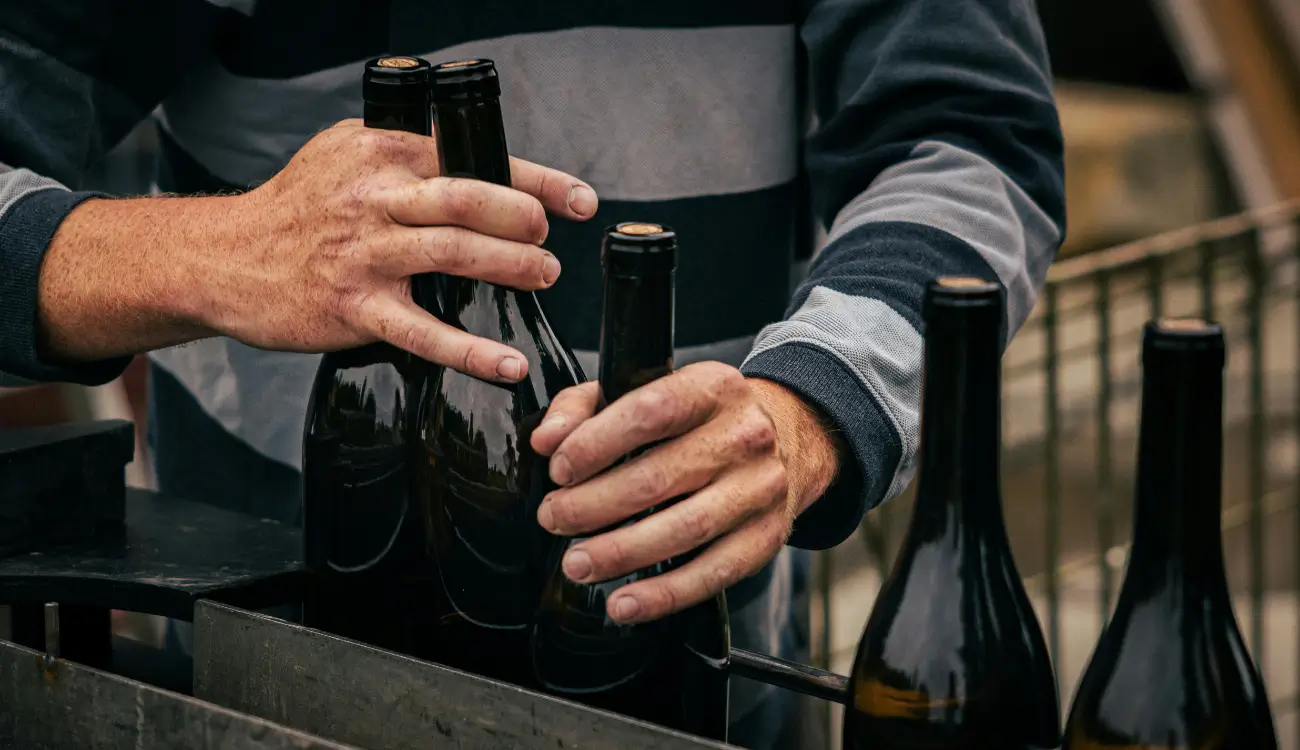
Another area of growing focus is oak origin differentiation. Producers are becoming more intentional about matching oak species and toast to varietal chemistry rather than relying on tradition alone. This data-driven approach reflects a broader industry shift toward measurable repeatability and controlled experimentation.
In short, the modern winery is leaning further into technical control—not abandoning tradition, but enhancing it with deeper analytical insight.
Wines for a Mindful Consumer
As consumers become more health-conscious, the conversation around alcohol is shifting from “more” to “better.” Rather than focusing on volume, many drinkers are prioritizing balance, quality, and moderation.
Oak aging can play a subtle role in this shift. By enhancing structure, mouthfeel, and perceived sweetness through natural wood compounds, oak can reduce the need for residual sugar adjustments or heavy post-fermentation manipulation. In many cases, well-integrated oak allows a wine to feel rounder and more complete without relying on additional sweetness or corrective measures.
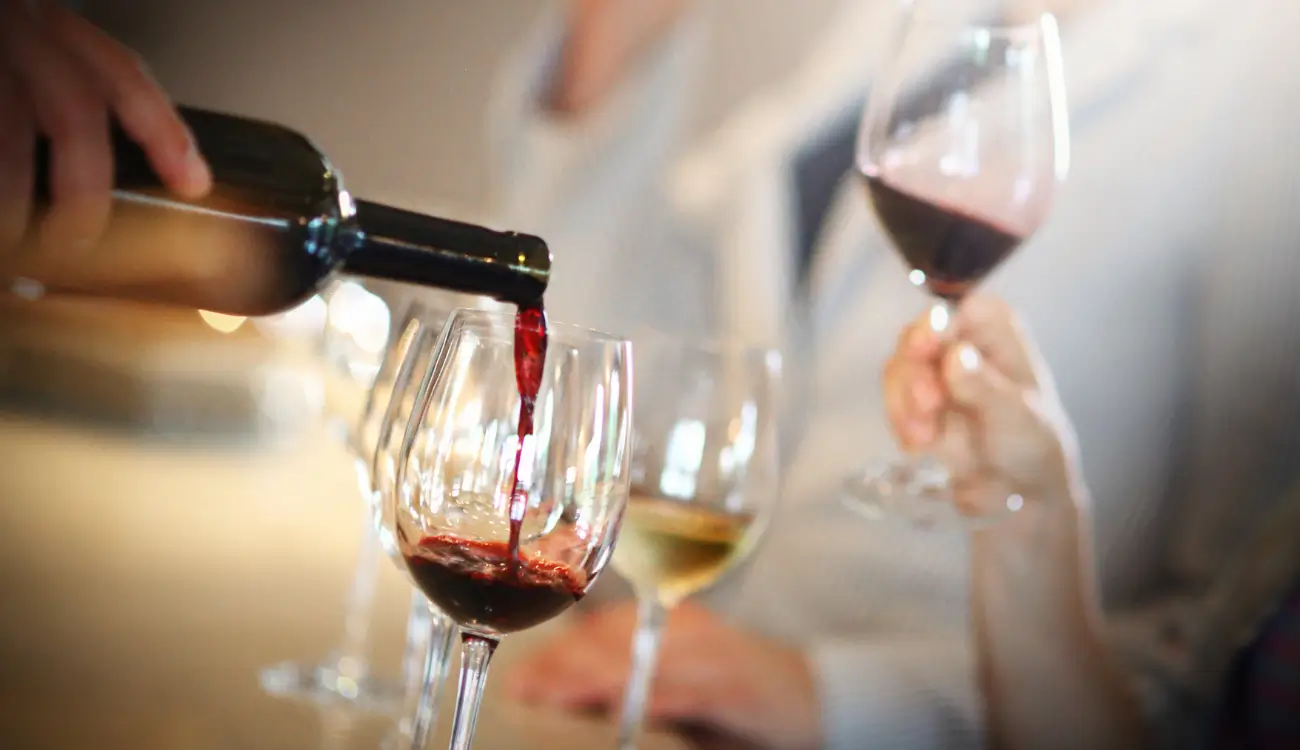
Additionally, oak-aged wines often encourage slower consumption. Increased aromatic complexity and structural depth promote sipping rather than rapid drinking—aligning with the growing movement toward mindful enjoyment rather than excess.
When oak is used thoughtfully, it can support wines that are more balanced, less manipulated, and aligned with today’s more health-aware consumer preferences.
Welcoming Matt Rogers to the Team
This month, we’re excited to introduce Matt Rogers, the newest addition to the Oak Chips Inc. team. Matt brings extensive industry experience to OCI, having previously served as a Director of Winemaking for The Wine Group, where he developed deep expertise in production strategy, sensory evaluation, and oak integration across large-scale operations.

With firsthand knowledge of how oak impacts fermentation, structure, and long-term aging programs, Matt adds a valuable technical perspective to our sales and customer support efforts. His background allows him to speak directly to the challenges and decision-making processes winemakers face—from varietal-specific oak selection to scaling oak trials effectively.
We’re excited to have him on board and look forward to the insight and leadership he brings to our team.
Let Matt perform oak trials for your wines today!
Matt can work with your requested oak format and quantity to help you determine if oak alternatives are right for your winery.
Blog of the Month
This month’s featured blog is our in-depth resource: Oak Alternatives for Winemaking: The Complete Guide.
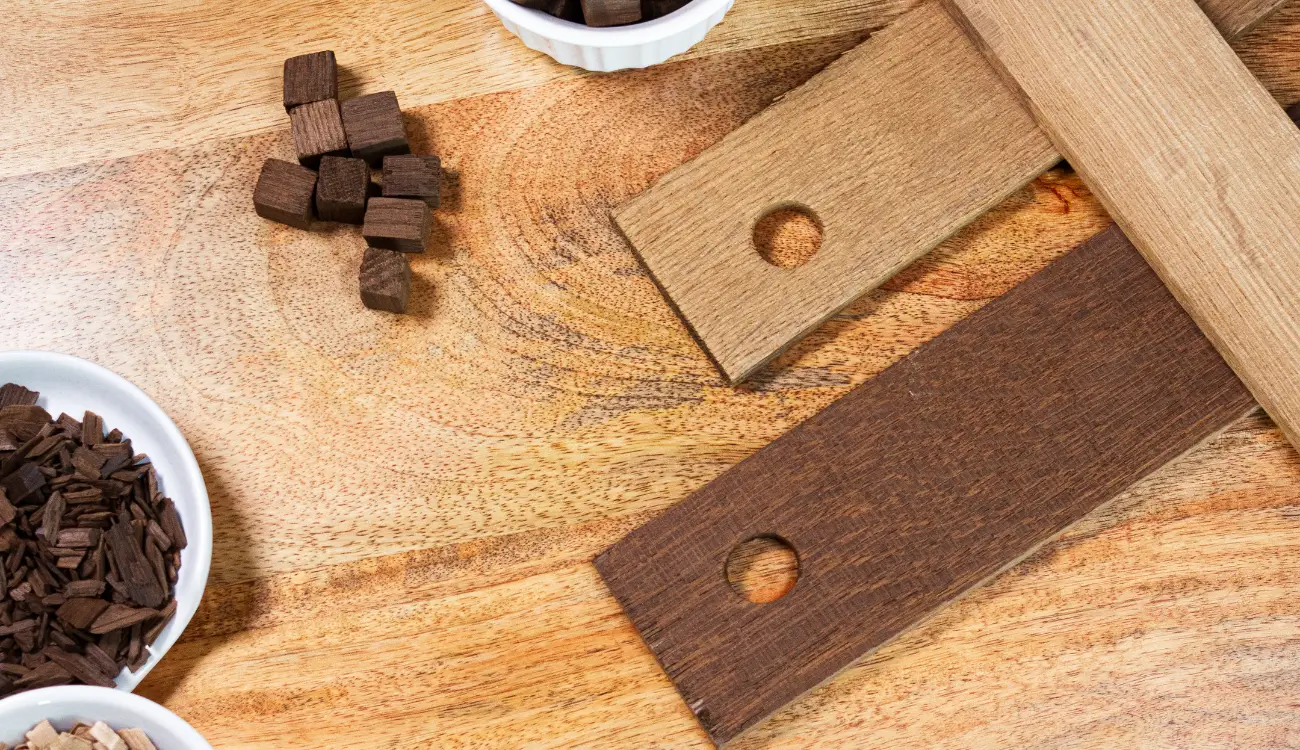
In this comprehensive article, we break down the different oak formats—chips, cubes, segments, staves, and barrel inserts—and explain how each influences extraction rate, flavor development, and structural integration. We also cover toast levels, species differences, dosage considerations, and practical applications for both short-term and long-term aging programs.
Whether you’re fine-tuning trial batches or optimizing full-scale production, this guide serves as a technical reference to help you make more informed oak decisions.
Until Next Month!
March’s edition highlights a central theme: precision. Whether it’s choosing between French and American oak, selecting the right format based on extraction kinetics, or refining operational systems, the details matter.
Thank you for being part of the OCI community. We look forward to continuing to explore the science and strategy behind oak with you next month.
If you missed last month's edition, click here to read it now!

by Brandon Haas
Published on 03/06/2026
Share Article
POPULAR POSTS
OAK ALTERNATIVES
How Long Should You Age Wine With Oak Chips?
NEWS/UPDATES
The Oak Scoop: January 2026
USING OAK IN WINEMAKING
What is Harvest and Why is it Important to Winemakers?
OAK SCIENCE
5 Ways To Make Your Alcohol Taste Better
by Brandon Haas
Published on 03/06/2026
Unsubscribe anytime. By entering your email, you agree to receive marketing emails from Oak Chips Inc. By proceeding, you agree to the Terms and Conditions and Privacy Policy.
POPULAR POSTS
OAK ALTERNATIVES
How Long Should You Age Wine With Oak Chips?
NEWS/UPDATES
The Oak Scoop: January 2026
USING OAK IN WINEMAKING
What is Harvest and Why is it Important to Winemakers?
OAK SCIENCE
5 Ways To Make Your Alcohol Taste Better
ON THIS PAGE
Age your wine with oak chips.
- Shop Now
Welcome to The Oak Scoop, our monthly newsletter dedicated to keeping our customers informed on company updates, industry developments, product education, and the science behind oak in winemaking.
In March’s edition, we take a deeper technical dive into the structural and chemical differences between French and American oak, including how species composition influences aromatic compound expression and extraction behavior. We then examine how oak surface area and format directly affect extraction kinetics, helping you better determine dosage and contact time. Finally, we explore current industry shifts, share operational insight into OCI’s upcoming system improvements, introduce our new sales representative, and more. Let’s dive in!
French vs. American Oak
French vs. American oak is a highly debated topic in the winemaking industry. At a technical level, the differences between French oak (Quercus robur) and American oak (Quercus alba) go far beyond flavor preference. They begin with wood anatomy, grain density, and chemical composition.
American oak generally contains higher concentrations of cis- and trans-oak lactones, compounds commonly associated with coconut, sweet wood, and vanilla aromatics. Because American oak also tends to have a slightly more open grain structure, extraction of certain volatile compounds can occur more readily during early aging phases.
French oak, by contrast, is often tighter grained and typically yields a more restrained aromatic profile depending on forest origin and toast level. It is frequently associated with subtler spice, structure, and integration rather than overt sweetness.
From a winemaking standpoint, the technical consideration is this:
-
- If the objective is early aromatic impact and sweetness perception, American oak may express those compounds more quickly.
- If the goal is gradual integration and structural refinement, French oak often provides a slower extraction curve that supports longer aging trajectories.
- Of course, toast level, dosage, and contact time ultimately determine how either species performs in a given wine.
Interested in learning more about the differences between French and American oak?
As seen above, there are quite a few differences between the two oak types. In a previous blog, our experts conduct a deeper dive.
Surface Area & Extraction Kinetics
One of the most overlooked variables in oak application is surface area-to-volume ratio. Smaller oak formats expose more surface area per unit of wood, which directly increases extraction rate.
In simplified terms:
-
- Chips (small grade) → Highest surface area → Fastest extraction
- Chips (large grade) / cubes → Moderate surface area → Controlled extraction
- Staves / larger segments → Lower surface area → Slowest extraction
However, extraction is not simply about speed. Early extraction phases typically release more volatile aromatics and low molecular weight compounds, while longer contact times allow for deeper integration of structural elements.
This is why dosage decisions should never be made independently of contact time. In many cases, winemakers achieve better balance by using a lower dose and longer time, or a larger format and extended aging, rather than increasing dose to accelerate impact.
Precision & Data-Driven Winemaking
As we take a macro view of the winemaking industry, we see that while winemakers are continuing to navigate cost pressures and shifting demand, there is a noticeable move toward precision-driven winemaking decisions.
Rather than broad stylistic changes, many producers are refining variables at a smaller level—tightening dosage calculations, tracking extraction curves more closely, and running structured oak trials with measurable outcomes.
Another area of growing focus is oak origin differentiation. Producers are becoming more intentional about matching oak species and toast to varietal chemistry rather than relying on tradition alone. This data-driven approach reflects a broader industry shift toward measurable repeatability and controlled experimentation.
In short, the modern winery is leaning further into technical control—not abandoning tradition, but enhancing it with deeper analytical insight.
Wines for a Mindful Consumer
As consumers become more health-conscious, the conversation around alcohol is shifting from “more” to “better.” Rather than focusing on volume, many drinkers are prioritizing balance, quality, and moderation.
Oak aging can play a subtle role in this shift. By enhancing structure, mouthfeel, and perceived sweetness through natural wood compounds, oak can reduce the need for residual sugar adjustments or heavy post-fermentation manipulation. In many cases, well-integrated oak allows a wine to feel rounder and more complete without relying on additional sweetness or corrective measures.
Additionally, oak-aged wines often encourage slower consumption. Increased aromatic complexity and structural depth promote sipping rather than rapid drinking—aligning with the growing movement toward mindful enjoyment rather than excess.
When oak is used thoughtfully, it can support wines that are more balanced, less manipulated, and aligned with today’s more health-aware consumer preferences.
Welcoming Matt Rogers to the Team
This month, we’re excited to introduce Matt Rogers, the newest addition to the Oak Chips Inc. team. Matt brings extensive industry experience to OCI, having previously served as a Director of Winemaking for The Wine Group, where he developed deep expertise in production strategy, sensory evaluation, and oak integration across large-scale operations.
With firsthand knowledge of how oak impacts fermentation, structure, and long-term aging programs, Matt adds a valuable technical perspective to our sales and customer support efforts. His background allows him to speak directly to the challenges and decision-making processes winemakers face—from varietal-specific oak selection to scaling oak trials effectively.
We’re excited to have him on board and look forward to the insight and leadership he brings to our team.
Let Matt perform oak trials for your wines today!
Matt can work with your requested oak format and quantity to help you determine if oak alternatives are right for your winery.
Blog of the Month
This month’s featured blog is our in-depth resource: Oak Alternatives for Winemaking: The Complete Guide.
In this comprehensive article, we break down the different oak formats—chips, cubes, segments, staves, and barrel inserts—and explain how each influences extraction rate, flavor development, and structural integration. We also cover toast levels, species differences, dosage considerations, and practical applications for both short-term and long-term aging programs.
Whether you’re fine-tuning trial batches or optimizing full-scale production, this guide serves as a technical reference to help you make more informed oak decisions.
Until Next Month!
March’s edition highlights a central theme: precision. Whether it’s choosing between French and American oak, selecting the right format based on extraction kinetics, or refining operational systems, the details matter.
Thank you for being part of the OCI community. We look forward to continuing to explore the science and strategy behind oak with you next month.
If you missed last month's edition, click here to read it now!
by Brandon Haas
Published on 03/06/2026
Share Article