
SHOP BY GOAL
Add Flavor Fast
Get meaningful oak influence in days or weeks—not months.
When your production timeline is short, smaller oak formats can provide efficient extraction and help you make targeted adjustments to aroma, structure, mouthfeel, and complexity.

Family Owned
Since 1975

American & French Oak
Air-seasoned for 24-36 months

Small Batch to Bulk
Flexible packaging options

Quality Focused
Consistent production and quality
When Time Matters, Choose the Right
Oak Format.
Not every wine has months for oak integration. When you need oak influence earlier in the process, smaller formats such as powder and chips provide greater surface-area exposure and generally extract more quickly than larger formats such as cubes, segments, and staves.

Fermentation Support
Introduce oak early to influence structure, color, and aromatic development.

Blending & Finishing
Make measured adiustments before final blending or bottling.

Bench Trials
Compare species, toast, and dose in small controlled volumes.

Short Timelines
Build noticeable oak impact in days or weeks rather than months.
More Surface Area. Faster Interaction.
Oak extraction is influenced by the amount of wood exposed to the wine. Smaller oak particles expose more surface area relative to their mass, allowing the wine to interact with oak compounds more rapidly. Larger formats reduce that exposure and generally support a slower, more gradual extraction profile.

Recommended Oak Formats for Fast Extraction
Choose your format based on extraction speed, desired sensory impact, and production timeline.
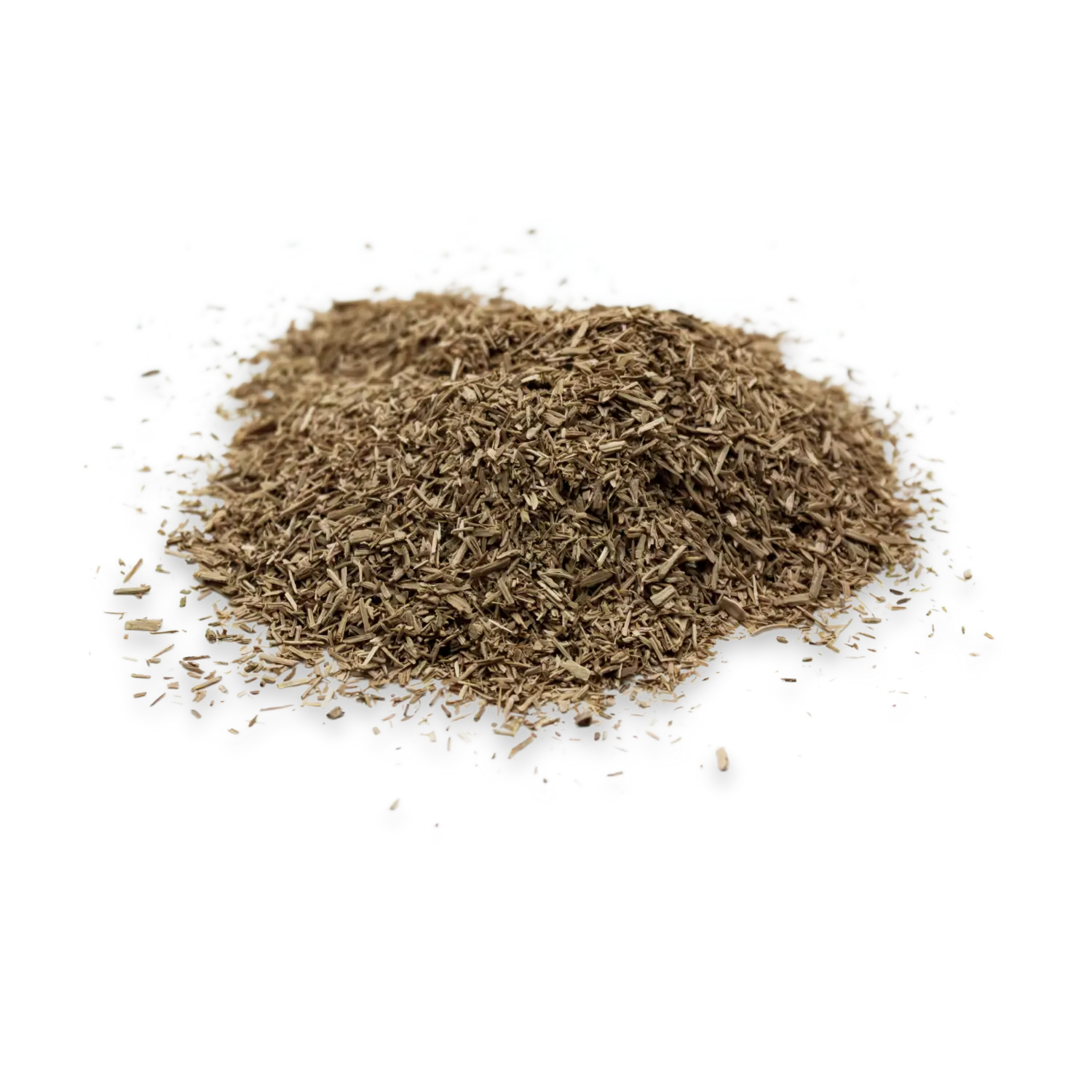
Oak Powder
Fine oak particles designed for rapid interaction during early fermentation and other applications where efficient oak integration is desired.
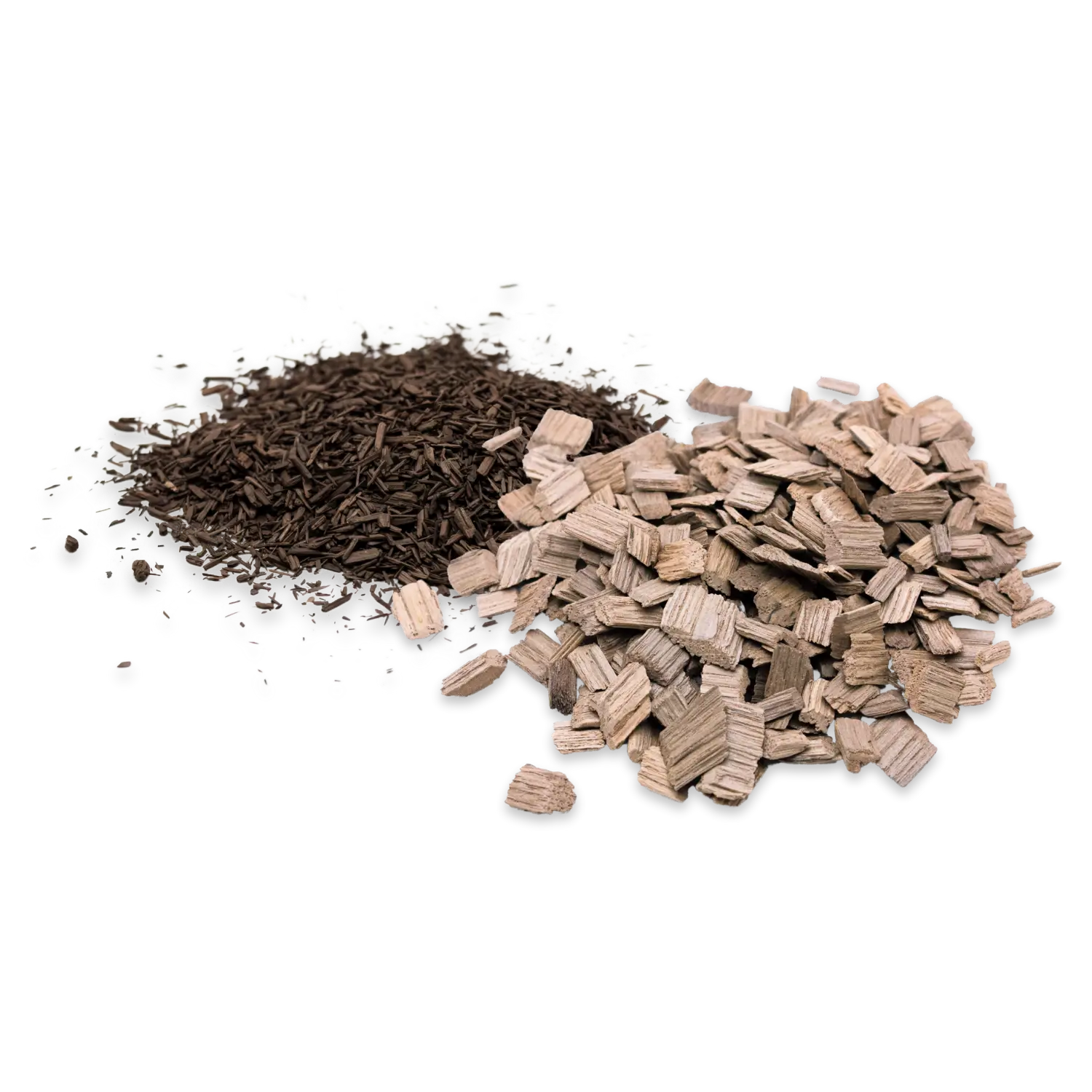
Oak Chips
Small and large grade chips that are designed to provide efficient oak interaction during fermentation and other shorter-term applications.
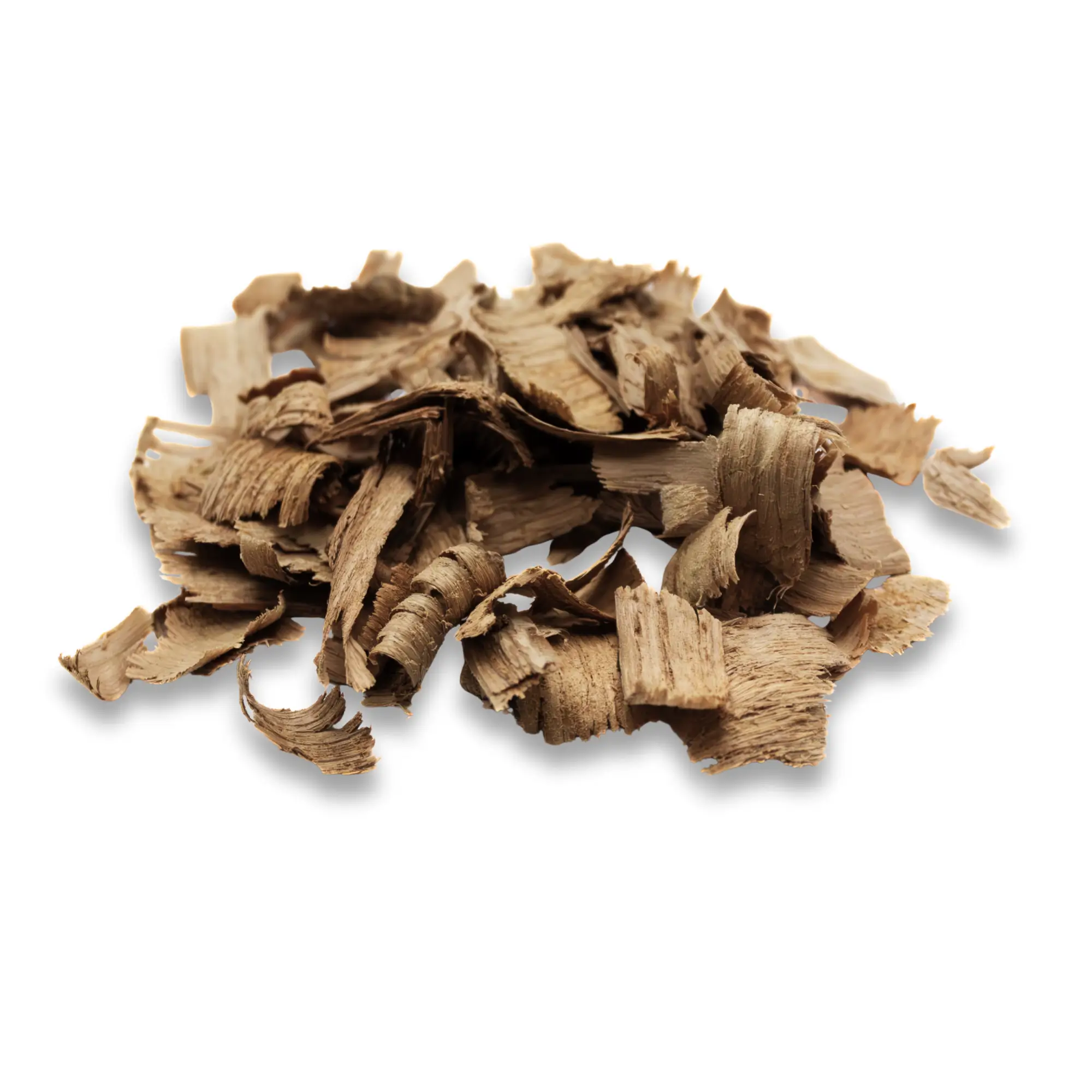
Oak Shavings
Thin oak shavings provide substantial surface-area exposure for efficient extraction when you want noticeable oak character on a shorter timeline.
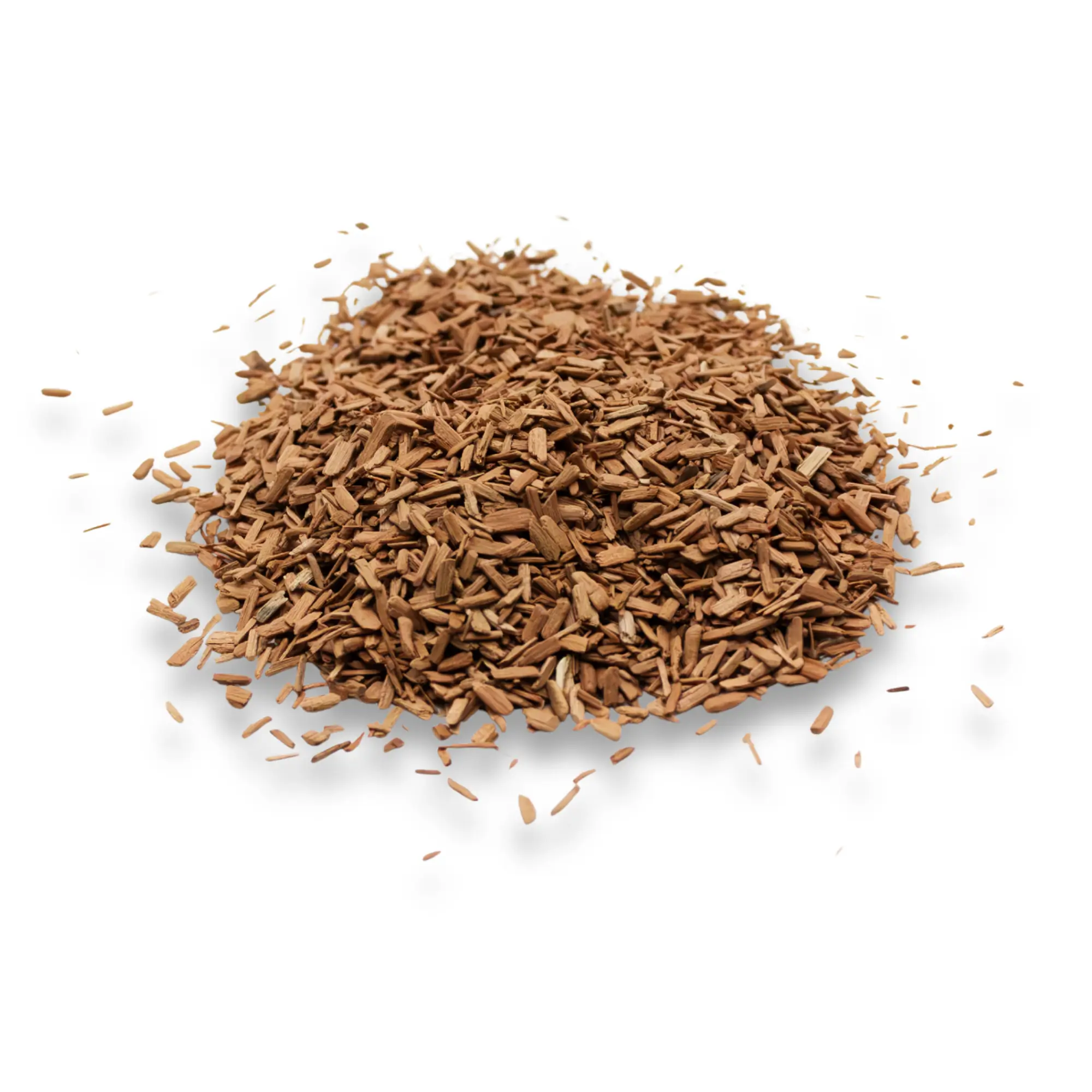
Gourmet Chips
Small and large grade maple and cherry chips, offering producers a way to explore distinctive wood character and create differentiated flavor profiles.
Start With the Right Dosage.
Dosage and contact time work together. A higher dosage can increase the intensity of oak influence, while longer contact allows extraction to continue over time. Rather than treating dosage as a fixed prescription, use OCI's published ranges as a starting point, monitor the wine, and adjust based on sensory evaluation.


Then Match the Format to Your Production Timeline.
These ranges are starting points—not automatic endpoints. Actual extraction depends on dosage, oak species, toast level, wine composition, temperature, and other production conditions. Taste regularly and remove the oak when the desired sensory result has been reached.
How To Use Fast-Acting Oak.

1. Define Your Goal
Decide what you want the oak to accomplish: structure, aroma, mouthfeel, complexity, or color.
2. Choose Your Format
Select powder or chips based on your desired extraction speed and
production timeline.
3. Start Conservatively
Use OCI's published dosage ranges as a starting point and adjust based on your initial tests.
4. Taste, Evaluate & Adjust
Evaluate the wine regularly and make adjustments based on the desired sensory outcome.
Frequently Asked Questions
Which oak format extracts the fastest?
Oak powder generally provides the fastest interaction because of its very fine particle size, followed by smaller chip formats.
How much oak should I use?
OCI provides starting dosage ranges by format, but the appropriate dosage depends on wine style, desired intensity, format, and contact time.
Can I use oak during fermentation?
Yes. OCI specifically identifies powder and chips for fermentation applications.
How long should I leave oak chips in my wine?
Contact time depends on chip size, dosage, wine, and desired outcome. OCI's technical guidance distinguishes small-grade chips for hours-to-days applications from large-grade chips used for longer periods.
American or French oak—which should I choose?
It depends on the sensory direction you're trying to achieve. OCI offers both species across multiple formats and toast levels.
Can I use more than one oak format?
Yes, producers can design programs using different formats and/or toast levels, but trials are strongly recommended before scaling.
How do I prevent over-oaking?
Start conservatively, monitor the wine regularly, and evaluate both dosage and contact time together.
I'm not sure what I need. Can OCI help?
Absolutely.
Related Resources.
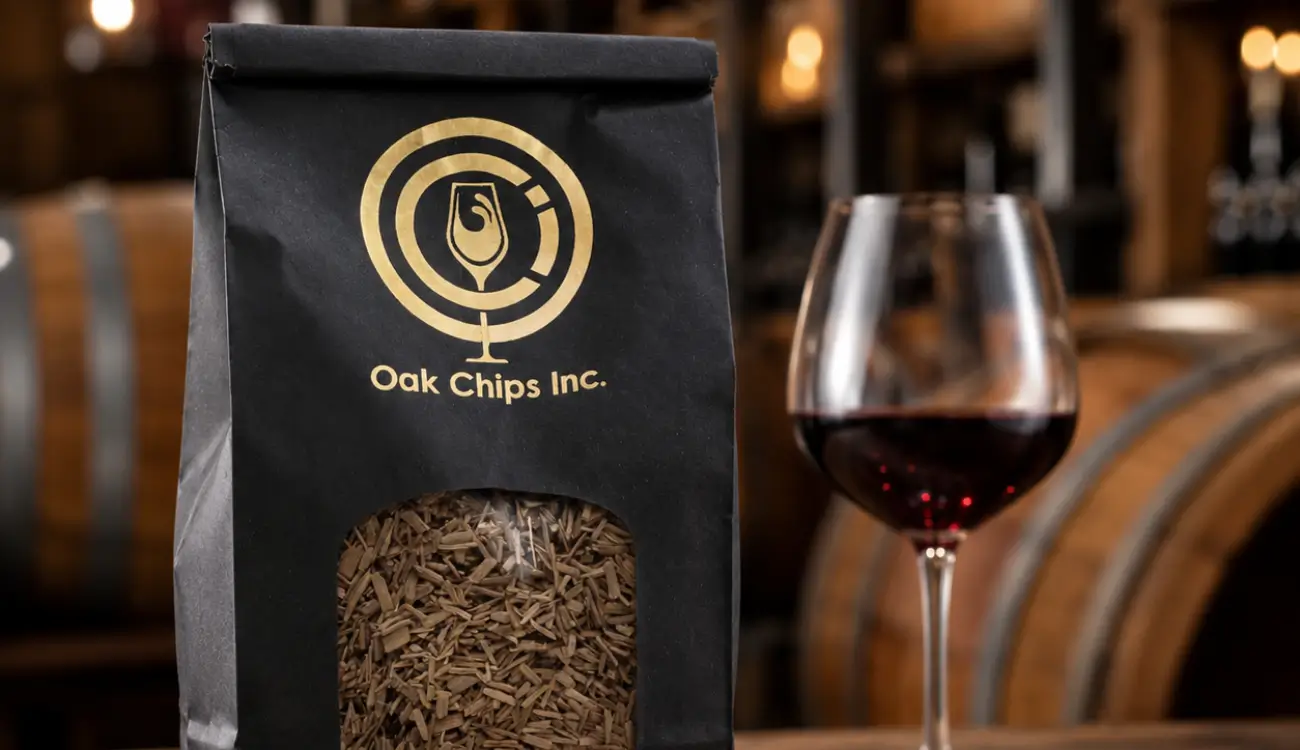
How Much Oak Should You Add to Wine?
Learn how much oak to add to wine, calculate dosage for any batch size, compare oak formats, and recognize when extraction has gone far enough.

How to Improve Wine Color Stability With Oak Alternatives
Learn how to improve wine color stability with oak alternatives and more!
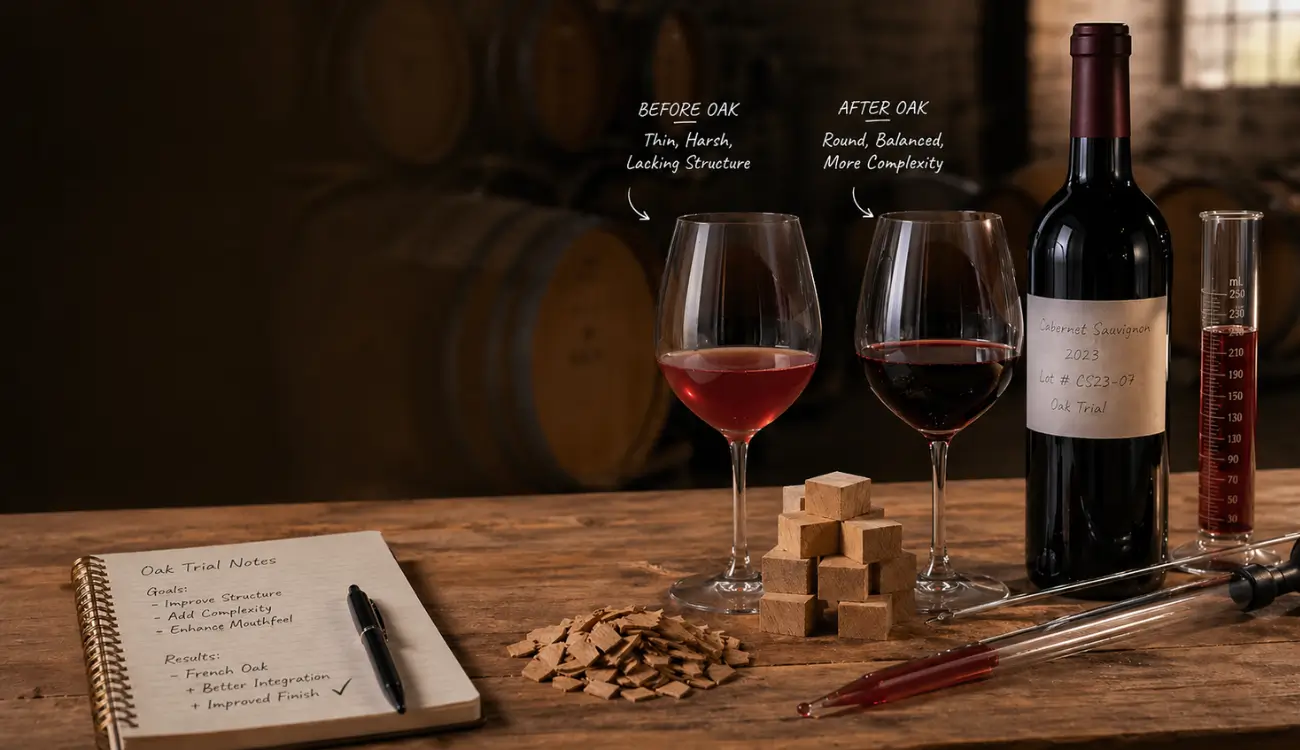
Wine Problem Solving: How to Fix Common Winemaking Problems With Oak
Learn common winemaking problems when using oak and how to fix them!

8 Common Oak Mistakes Winemakers Make (And How to Avoid Them)
Discover 8 common oak mistakes that all, including experienced and beginner-level winemakers, make when aging their wine!
Ready to Find the Right Oak?
Tell us what you're making, what you're trying to improve, and how quickly you need results. We'll help you identify the right format, species, toast, dosage, and contact-time starting point.