
BLOG | Oak Alternatives
What Is the Difference Between Small Grade and Large Grade Oak Chips?
Learn what makes these two similar types of oak chips different! Our experts explore the differences as well as provide tips on how to choose between them.
by Brandon Haas
Published on 12/11/2025
ON THIS PAGE
Become an oak expert today!
- Shop Now
If you're a winemaker or homebrewer exploring oak alternatives, you've likely come across two common terms: small grade and large grade oak chips. Both forms deliver the flavor, aroma, and structural benefits of oak aging—but they behave very differently in your wine or homebrew.
Understanding the difference between these two chip sizes is essential for controlling extraction speed, flavor intensity, and overall oak integration. Whether you're fine-tuning a vintage or enhancing a batch of beer, cider, or mead, choosing the right chip size can significantly influence your final product.
In this blog, we'll break down how small and large grade oak chips work, their advantages, and when to use each one based on your winemaking goals.
Small Grade Oak Chips
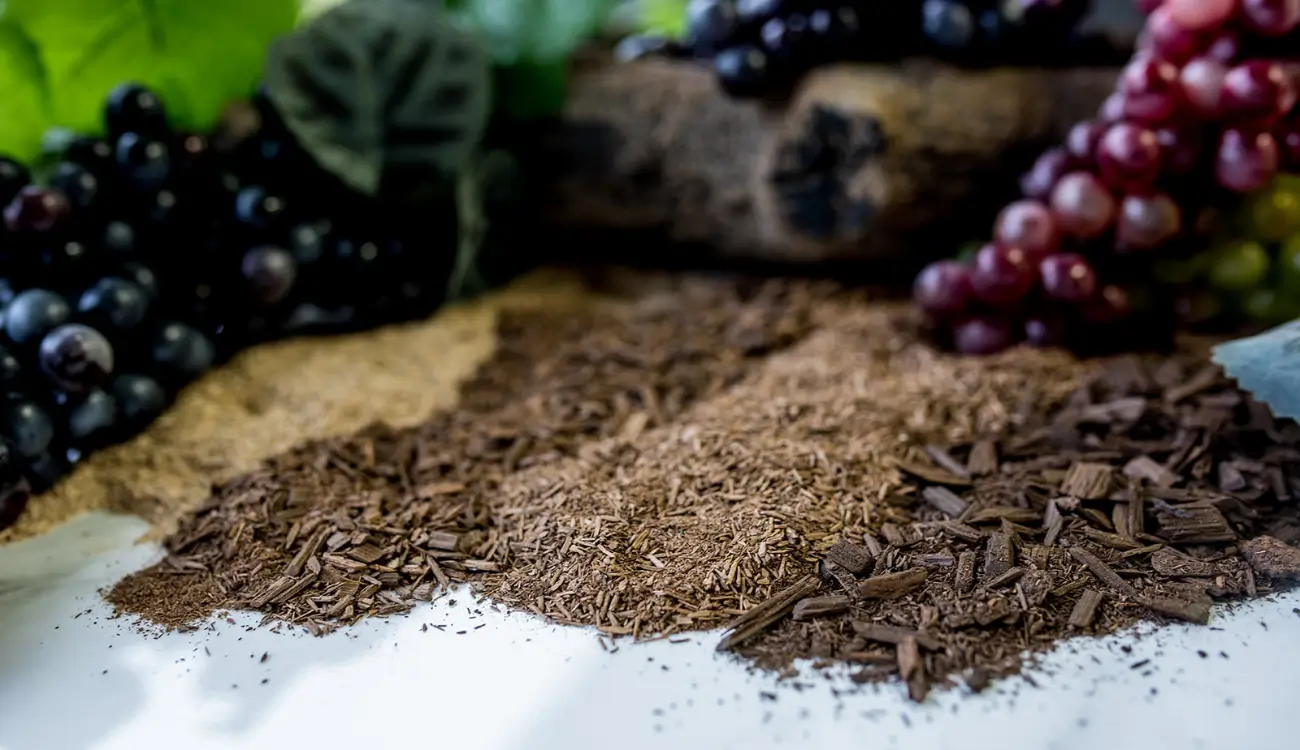
Small grade oak chips are finely cut pieces with high surface area. This creates fast interaction between the chips and the liquid, leading to rapid flavor and tannin extraction.
Small grade chips release their oak compounds quickly, usually within a few days to a couple of weeks, depending on the dose and toast level. They are ideal for winemakers who want noticeable oak influence in a shorter timeframe.
Some of the typical benefits of using small grade oak chips are:
- Fast flavor extraction.
- Strong and concentrated oak character.
- Great for correcting under-oaked wines.
- Perfect for quick-aging homebrews.
- Allows rapid testing of toast levels and oak types.
These chips are especially popular in white wines and lighter reds where a shorter aging time or a fast flavor boost is desired.
Large Grade Oak Chips
Large grade oak chips are thicker, coarser pieces with lower surface area, which results in slower, deeper extraction. These chips are often favored by winemakers who want longer, more gradual oak integration that mimics traditional barrel aging.
Large grade chips take weeks to months to release flavors, tannins, and aromas. This slow infusion leads to rounder, more nuanced oak expression, making them ideal for full-bodied wines that benefit from long aging.
Some of the typical benefits of using large grade oak chips are:
- Gentle, controlled oak integration.
- Smoother tannin contribution.
- Layered, complex flavor development.
- Ideal for batch consistency.
- Better suited for long-term aging.
Large grade chips shine in rich reds, fuller-bodied wines, and any beverage where subtlety and balance are key.
Which Grade Should You Choose?
Your choice depends on your wine style and oak goals. If you need results quickly or want to trial specific toast levels, then small grade oak chips would be your choice. However, if you're aging a batch long-term and want complexity and fuller flavor infusion, then large grade oak chips would be the best option.
The different grades also play a role in different winemaking timelines. If you're homebrewing and want flexibility without long wait times small grade is usually the best fit. If you want extended time to fine-tune flavor large grade will be your best option.
Final Thoughts
Small grade and large grade oak chips both play an important role in shaping flavor, aroma, and mouthfeel—but their impact differs based on extraction speed and integration style. Small grade delivers fast, intense oak influence, while large grade provides slow, elegant development that mirrors the behavior of a traditional oak barrel.
By understanding how each grade works, winemakers and homebrewers can use oak chips with confidence and craft beverages that match their vision perfectly. Explore both options at Oak Chips Inc. and discover which oak grade best complements your next batch.
Let our team choose the right oak for your winemaking or brewing project!
Reach out to our team or explore our wide selection of premium American and French oak barrel alternatives to enhance your beverages while also saving money compared to relying solely on traditional barrel aging!

by Brandon Haas
Published on 12/11/2025
Share Article
POPULAR POSTS
OAK ALTERNATIVES
How Long Should You Age Wine With Oak Chips?
NEWS/UPDATES
The Oak Scoop: May 2026
USING OAK IN WINEMAKING
What is Harvest and Why is it Important to Winemakers?
OAK SCIENCE
5 Ways To Make Your Alcohol Taste Better
by Brandon Haas
Published on 12/11/2025
Unsubscribe anytime. By entering your email, you agree to receive marketing emails from Oak Chips Inc. By proceeding, you agree to the Terms and Conditions and Privacy Policy.
POPULAR POSTS
OAK ALTERNATIVES
How Long Should You Age Wine With Oak Chips?
NEWS/UPDATES
The Oak Scoop: May 2026
USING OAK IN WINEMAKING
What is Harvest and Why is it Important to Winemakers?
OAK SCIENCE
5 Ways To Make Your Alcohol Taste Better