
BLOG | Oak Alternatives
What Is An Oak Stave?
Discover what an oak stave is and how you can use them in winemaking to add unique, bold flavors!
by Todd Nathan
Published on 03/14/2025
ON THIS PAGE
Age your wine with oak staves.
- Shop Now
Oak staves are larger-format oak alternatives used to provide slow, controlled extraction of oak character during wine aging. They are designed to deliver many of the structural and aromatic benefits associated with barrel aging while allowing winemakers to maintain flexibility in vessel choice, dosage, and contact time.
Because of their size and thickness, oak staves extract more gradually than chips, cubes, or powder. This slower interaction allows oak influence to integrate more deeply over time, making staves particularly useful for wines that will undergo extended aging. Many winemakers use them when they want the effects of longer-term oak exposure without relying exclusively on full barrels.
This guide explains what oak staves are, how they influence wine, and how they can be used effectively as part of a structured oak program.
What are Oak Staves?
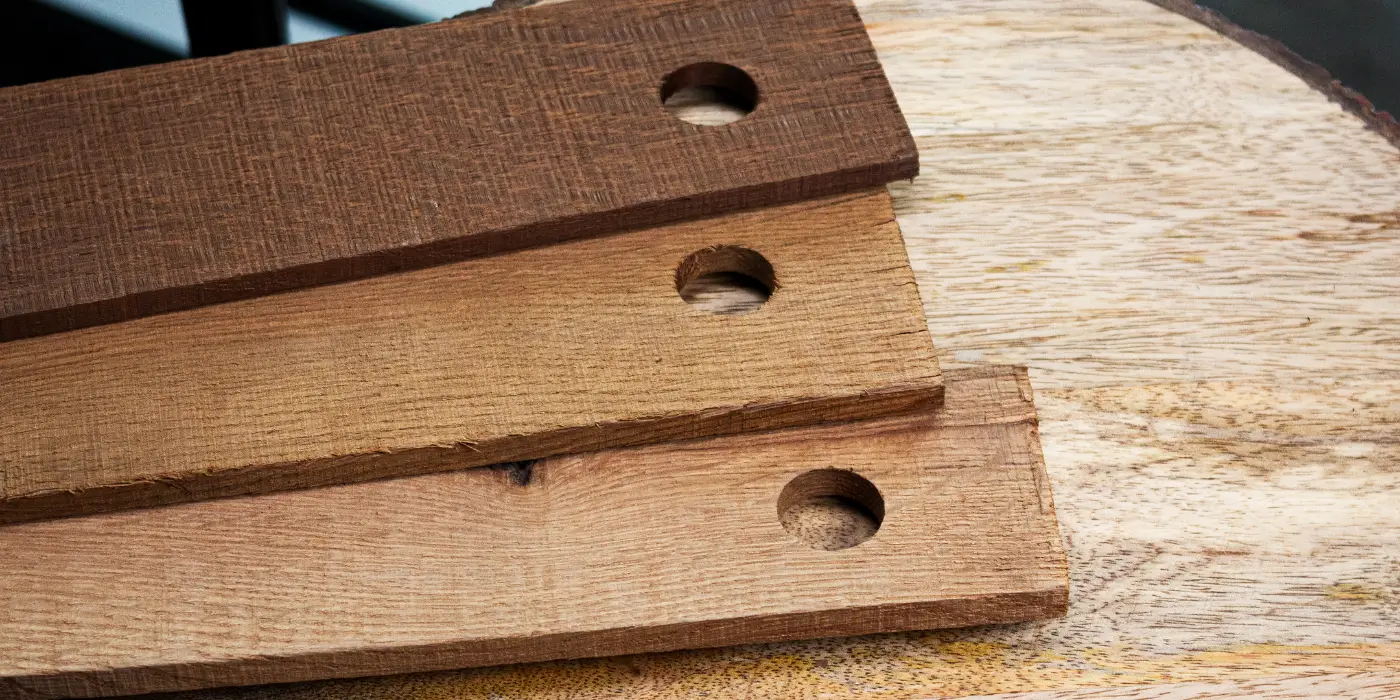
Oak staves are long, flat pieces of toasted wood that are placed directly into tanks or other vessels during aging. They provide a large surface area and extended contact time, allowing for gradual extraction of oak compounds. Because they are significantly larger than chips or cubes, they tend to release compounds more slowly and consistently.
Staves are commonly used in commercial winemaking environments, particularly when aging wine in stainless steel or other neutral vessels. They allow winemakers to introduce oak influence in a controlled way while maintaining consistency across batches. They can be used on their own or in combination with other oak formats depending on the desired outcome.
For a broader overview of how staves fit into the full range of alternatives, see the main guide on oak alternatives for winemaking, which compares all oak formats and their roles.
Explore our oak staves today!
Get started on your next batch of wine and age with the best using our premium American or French oak staves.
How Oak Staves Influence Wine
When oak staves are placed in wine, they gradually release compounds that interact with tannins and aromatic elements. Because of their size, extraction occurs more slowly than with chips, cubes, or powder. This slower release allows for deeper integration and a more subtle oak profile over time.
This gradual interaction makes staves useful when:
-
- extended aging periods are planned
- deeper integration is desired
- a more subtle oak influence is preferred
Regular tasting throughout the aging process helps determine when the desired level of oak influence has been achieved.
Types of Oak Staves
Oak staves can vary based on wood type, toast level, and size. Each of these factors influences how they behave in wine.
Wood Types
French oak staves are often associated with refined structure and subtle aromatic influence. American oak staves may contribute more pronounced vanilla and sweetness. Selecting the appropriate wood type depends on the style of wine and the level of oak character desired.
Wondering what the main differences are between French and American oak? We recommend checking out French Oak vs. American oak: Which Should You Choose? for a more detailed view of the differences.
Toast Levels
Toast level plays a significant role in how staves influence aroma and flavor. Lighter toasts tend to emphasize structure and subtle oak presence, while medium and heavier toasts introduce more aromatic complexity. Choosing the right toast level helps ensure the oak complements the wine’s profile rather than overpowering it.

Need help deciding which toast level is right for your wine? See How to Choose the Right Toast Level for Your Wine for more detailed information.
Stave Size
Staves can vary in length and thickness, which affects extraction speed. Thicker staves tend to release compounds more slowly, allowing for extended contact time and gradual integration. Thinner staves may extract at a slightly faster rate while still providing sustained influence. Winemakers often select stave size based on vessel type and planned aging duration.
At OCI, our American oak staves come in two sizes: 37"L x 2-2.25"W x 3/8"D and 37″L x 2.5″W x 3/8″D. Our French oak staves come in one size only: 37"L x 2-2.25"W x 3/8"D.
Enhance your wine with oak staves!
Explore oak staves, available in multiple wood types and toast levels, to match your winemaking needs.
When to Use Oak Staves
Oak staves are typically introduced during the aging phase when longer contact time is desired. Because they extract gradually, they are well suited for wines that will mature over several months or longer.
Our experts recommend using oak segments in red wine after racking (during finishing) and after clarification (during finishing) in white wine.
Staves are often left in contact longer than chips or cubes. Regular tasting helps determine when the desired level of integration has been reached.
Oak Stave Dosage Considerations
The number of staves used depends on batch size, wine style, and desired intensity. Because extraction occurs gradually, dosage recommendations differ from smaller formats. Adjusting based on tasting is a common approach.
For oak staves, our experts recommend three 2.5"W staves per 25 gallons and six 2-2.25"W staves per 25 gallons.
Download our dosage chart!
Our PDF dosage chart is perfect for determining the exact dosage for your specific batch.
Contact Time and Extraction
Contact time for oak staves is typically longer than for other oak alternatives. Because extraction is gradual, they may remain in contact for extended periods to achieve the desired level of integration.
Our experts recommend leaving oak staves in contact for 8-10 months to impart appreciable oak flavor, but regular tasting throughout the aging process helps determine when the oak influence has reached the desired level.
Download our oak stave configuration sheet!
For more in-depth information on contact time and extraction rates during the winemaking process, we recommend exploring our oak segment configuration sheet.
Oak Staves vs Other Oak Formats
Oak staves are preferred when very slow extraction and a deep integration is desired.
Oak cubes or segments may be preferred when moderate extraction is desired with medium contact time.
To explore more about the different types of oak formats and their extraction rates, see Oak Alternatives for Winemaking: The Complete Guide.
Common Mistakes When Using Oak Staves
Even the best winemakers make mistakes and certain mistakes can lead to imbalance with your wine. Some common mistakes include using too many oak staves at once, leaving them in contact too long, not monitoring extraction, and choosing the wrong toast level for your wine.
Monitoring the wine and making gradual adjustments helps prevent these issues and ensures the oak integrates properly.
Final Thoughts
Oak staves provide a controlled, gradual way to introduce oak character during extended aging. Their slow extraction allows for deeper integration of structure and aroma, making them useful for wines that benefit from sustained maturation.
When used thoughtfully and monitored carefully, they can help refine balance and complexity while maintaining flexibility in production.
Your wine is waiting on you!
Age your wine today with our premium oak staves.
Oak Staves FAQ
What do oak staves do in wine?
They provide slow, gradual extraction of oak compounds, helping build structure and complexity over time.
How long should oak staves stay in wine?
Contact time varies depending on dosage and desired intensity, but they are often left in contact longer than smaller formats.
Are oak staves better than cubes?
They serve different purposes. Staves provide slower extraction and longer aging potential, while cubes provide moderate extraction.
Can oak staves replace oak barrels?
They can provide similar structural influence but are often used alongside other formats rather than as a full replacement.​ For a more detailed comparison, we recommend reading Oak Barrels vs. Oak Alternatives: Which is Better?

by Todd Nathan
Published on 03/14/2025
Share Article
POPULAR POSTS
OAK ALTERNATIVES
How Long Should You Age Wine With Oak Chips?
NEWS/UPDATES
The Oak Scoop: February 2026
USING OAK IN WINEMAKING
What is Harvest and Why is it Important to Winemakers?
OAK SCIENCE
5 Ways To Make Your Alcohol Taste Better
by Todd Nathan
Published on 03/14/2025
Unsubscribe anytime. By entering your email, you agree to receive marketing emails from Oak Chips Inc. By proceeding, you agree to the Terms and Conditions and Privacy Policy.
POPULAR POSTS
OAK ALTERNATIVES
How Long Should You Age Wine With Oak Chips?
NEWS/UPDATES
The Oak Scoop: February 2026
USING OAK IN WINEMAKING
What is Harvest and Why is it Important to Winemakers?
OAK SCIENCE
5 Ways To Make Your Alcohol Taste Better
ON THIS PAGE
Age your wine with oak staves.
- Shop Now
Oak staves are larger-format oak alternatives used to provide slow, controlled extraction of oak character during wine aging. They are designed to deliver many of the structural and aromatic benefits associated with barrel aging while allowing winemakers to maintain flexibility in vessel choice, dosage, and contact time.
Because of their size and thickness, oak staves extract more gradually than chips, cubes, or powder. This slower interaction allows oak influence to integrate more deeply over time, making staves particularly useful for wines that will undergo extended aging. Many winemakers use them when they want the effects of longer-term oak exposure without relying exclusively on full barrels.
This guide explains what oak staves are, how they influence wine, and how they can be used effectively as part of a structured oak program.
What are Oak Staves?
Oak staves are long, flat pieces of toasted wood that are placed directly into tanks or other vessels during aging. They provide a large surface area and extended contact time, allowing for gradual extraction of oak compounds. Because they are significantly larger than chips or cubes, they tend to release compounds more slowly and consistently.
Staves are commonly used in commercial winemaking environments, particularly when aging wine in stainless steel or other neutral vessels. They allow winemakers to introduce oak influence in a controlled way while maintaining consistency across batches. They can be used on their own or in combination with other oak formats depending on the desired outcome.
For a broader overview of how staves fit into the full range of alternatives, see the main guide on oak alternatives for winemaking, which compares all oak formats and their roles.
Explore our oak staves today!
Get started on your next batch of wine and age with the best using our premium American or French oak staves.
How Oak Staves Influence Wine
When oak staves are placed in wine, they gradually release compounds that interact with tannins and aromatic elements. Because of their size, extraction occurs more slowly than with chips, cubes, or powder. This slower release allows for deeper integration and a more subtle oak profile over time.
This gradual interaction makes staves useful when:
-
- extended aging periods are planned
- deeper integration is desired
- a more subtle oak influence is preferred
Regular tasting throughout the aging process helps determine when the desired level of oak influence has been achieved.
Types of Oak Staves
Oak staves can vary based on wood type, toast level, and size. Each of these factors influences how they behave in wine.
Wood Types
French oak staves are often associated with refined structure and subtle aromatic influence. American oak staves may contribute more pronounced vanilla and sweetness. Selecting the appropriate wood type depends on the style of wine and the level of oak character desired.
Wondering what the main differences are between French and American oak? We recommend checking out French Oak vs. American oak: Which Should You Choose? for a more detailed view of the differences.
Toast Levels
Toast level plays a significant role in how staves influence aroma and flavor. Lighter toasts tend to emphasize structure and subtle oak presence, while medium and heavier toasts introduce more aromatic complexity. Choosing the right toast level helps ensure the oak complements the wine’s profile rather than overpowering it.

Need help deciding which toast level is right for your wine? See How to Choose the Right Toast Level for Your Wine for more detailed information.
Stave Size
Staves can vary in length and thickness, which affects extraction speed. Thicker staves tend to release compounds more slowly, allowing for extended contact time and gradual integration. Thinner staves may extract at a slightly faster rate while still providing sustained influence. Winemakers often select stave size based on vessel type and planned aging duration.
At OCI, our American oak staves come in two sizes: 37"L x 2-2.25"W x 3/8"D and 37″L x 2.5″W x 3/8″D. Our French oak staves come in one size only: 37"L x 2-2.25"W x 3/8"D.
Enhance your wine with oak staves!
Explore oak staves, available in multiple wood types and toast levels, to match your winemaking needs.
When to Use Oak Staves
Oak staves are typically introduced during the aging phase when longer contact time is desired. Because they extract gradually, they are well suited for wines that will mature over several months or longer.
Our experts recommend using oak segments in red wine after racking (during finishing) and after clarification (during finishing) in white wine.
Staves are often left in contact longer than chips or cubes. Regular tasting helps determine when the desired level of integration has been reached.
Oak Stave Dosage Considerations
The number of staves used depends on batch size, wine style, and desired intensity. Because extraction occurs gradually, dosage recommendations differ from smaller formats. Adjusting based on tasting is a common approach.
For oak staves, our experts recommend three 2.5"W staves per 25 gallons and six 2-2.25"W staves per 25 gallons.
Download our dosage chart!
Our PDF dosage chart is perfect for determining the exact dosage for your specific batch.
Contact Time and Extraction
Contact time for oak staves is typically longer than for other oak alternatives. Because extraction is gradual, they may remain in contact for extended periods to achieve the desired level of integration.
Our experts recommend leaving oak staves in contact for 8-10 months to impart appreciable oak flavor, but regular tasting throughout the aging process helps determine when the oak influence has reached the desired level.
Download our oak stave configuration sheet!
For more in-depth information on contact time and extraction rates during the winemaking process, we recommend exploring our oak segment configuration sheet.
Oak Staves vs Other Oak Formats
Oak staves are preferred when very slow extraction and a deep integration is desired.
Oak cubes or segments may be preferred when moderate extraction is desired with medium contact time.
To explore more about the different types of oak formats and their extraction rates, see Oak Alternatives for Winemaking: The Complete Guide.
Common Mistakes When Using Oak Staves
Even the best winemakers make mistakes and certain mistakes can lead to imbalance with your wine. Some common mistakes include using too many oak staves at once, leaving them in contact too long, not monitoring extraction, and choosing the wrong toast level for your wine.
Monitoring the wine and making gradual adjustments helps prevent these issues and ensures the oak integrates properly.
Final Thoughts
Oak staves provide a controlled, gradual way to introduce oak character during extended aging. Their slow extraction allows for deeper integration of structure and aroma, making them useful for wines that benefit from sustained maturation.
When used thoughtfully and monitored carefully, they can help refine balance and complexity while maintaining flexibility in production.
Your wine is waiting on you!
Age your wine today with our premium oak staves.
Oak Staves FAQ
What do oak staves do in wine?
They provide slow, gradual extraction of oak compounds, helping build structure and complexity over time.
How long should oak staves stay in wine?
Contact time varies depending on dosage and desired intensity, but they are often left in contact longer than smaller formats.
Are oak staves better than cubes?
They serve different purposes. Staves provide slower extraction and longer aging potential, while cubes provide moderate extraction.
Can oak staves replace oak barrels?
They can provide similar structural influence but are often used alongside other formats rather than as a full replacement.​ For a more detailed comparison, we recommend reading Oak Barrels vs. Oak Alternatives: Which is Better?

by Todd Nathan
Published on 03/14/2025
Share Article

