
What Are Oak Cubes?

Learn about what an oak cube is and how you can use them to enhance your wine quicker and more efficiently!

by Todd Nathan

Published on 04/18/2025
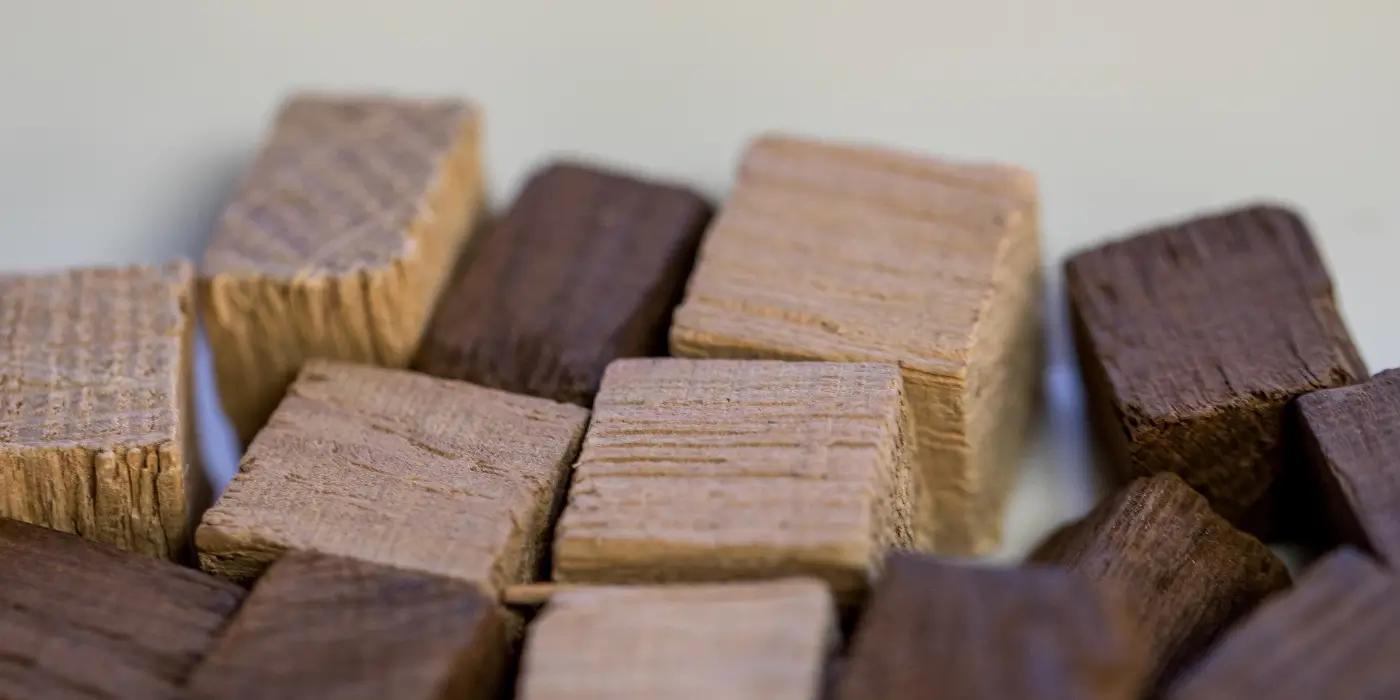
Oak cubes laying on table

Oak cubes are one of the most widely used oak alternatives in modern winemaking. They provide a slower, more gradual extraction than oak chips, allowing winemakers to build structure and complexity over time while maintaining control over the aging process. Because of their size and surface area, oak cubes are often used when a more integrated oak profile is desired without relying entirely on traditional barrel aging.

Understanding how oak cubes work, how they differ from other formats, and when to use them helps ensure they are applied intentionally rather than experimentally. When used thoughtfully, oak cubes can support tannin development, enhance mouthfeel, and contribute subtle aromatic complexity throughout the aging process.

This guide explains what oak cubes are, how they influence wine, and how to use them effectively within a winemaking program.

What are Oak Cubes?

Oak cubes are small, uniform pieces of toasted wood that are added directly to wine during fermentation or aging. Like other oak alternatives, they allow the wine to interact with wood in a controlled way without requiring full barrels. Because cubes are larger than chips but smaller than staves or segments, they provide a moderate extraction rate that falls between fast and slow formats.

The size of oak cubes allows for more gradual release of compounds compared to chips. This slower extraction often results in deeper integration of structure and aroma, making cubes particularly useful for wines that will age for extended periods.

Explore our oak cubes today!

Get started on your next batch of wine and age with the best using our premium American or French oak cubes.

How Oak Cubes Influence Wine

When added to wine, oak cubes release compounds that interact with tannins and aromatic elements. Because their surface area is smaller relative to chips, extraction happens more slowly. This gradual release allows the oak influence to integrate more deeply over time rather than appearing quickly.

This slower extraction makes cubes useful when longer aging periods are planned, deeper integration is desired, and a more subtle oak profile is preferred.

By monitoring the wine regularly, winemakers can determine when the desired level of oak influence has been reached and remove the cubes accordingly.

Types of Oak Cubes

As with other oak formats, cubes are available in different wood types, and toast levels. 

Wood Types

French oak cubes are often associated with subtle spice and refined structure. American oak cubes tend to provide more pronounced vanilla and sweetness. Selecting the appropriate wood type depends on the wine style and the desired aromatic profile.

Wondering what the main differences are between French and American oak? We recommend checking out French Oak vs. American oak: Which Should You Choose? for a more detailed view of the differences.

Toast Levels

Toast level determines how the wood has been heated and what compounds will be released. Lighter toasts emphasize structure, while medium and heavier toasts introduce more aromatic complexity. Choosing the right toast level helps ensure the oak complements the wine rather than overpowering it.

Toast Level Chart

Need help deciding which toast level is right for your wine? See How to Choose the Right Toast Level for Your Wine for more detailed information.

Cube Size

Oak cubes are larger than oak chips but still smaller than larger oak alternatives such as oak segments or oak staves. Our oak cubes are approxiametly 0.8" L x 0.8" W x 0.8" H in size, but this can vary due to toasting and storage factors.

Enhance your wine with oak cubes!

Explore oak cubes available in multiple wood types and toast levels for consistent extraction.

When to Use Oak Cubes

Oak cubes can be introduced at several points in the winemaking process depending on the desired outcome. Many winemakers add cubes during aging to build structure gradually, while others introduce them earlier for deeper integration.

Our experts recommend adding oak cubes in red wine during malolactic fermentation and after clarification in white wine.

Because cubes extract more slowly than chips, they are often left in contact for longer periods. Regular tasting helps ensure the oak integrates in a balanced way.

To learn more about the role of oak cubes and other oak alternatives in red and white wine, see The Role of Oak Alternatives in Red vs White Wine.

Oak Cube Dosage Considerations

The amount of oak cubes used depends on batch size, wine style, and desired intensity. Because extraction occurs more gradually, cubes are often used at slightly different dosage levels than chips. Starting conservatively and adjusting based on tasting is a common approach.

For oak cubes, our experts recommend using 15-17 grams per gallon (4-6 grams per liter).

Download our dosage chart!

Our PDF dosage chart is perfect for determining the exact dosage for your specific batch.

Contact Time and Extraction

Contact time is one of the most important factors when using oak cubes. Because they extract more slowly than chips, they are often left in contact for longer periods. The exact duration depends on dosage, wine style, and desired intensity.

Our experts recommend leaving the cubes in contact for 3-4 months to impart appreciable oak flavor, but regular tasting throughout aging helps determine when the desired level of integration has been achieved.

Download our oak cube configuration sheet!

For more in-depth information on contact time and extraction rates during the winemaking process, we recommend exploring our oak chip configuration sheet.

Oak Cubes vs Other Oak Formats

Oak cubes and oak chips are often compared because they serve similar purposes but behave differently.

Oak chips provide faster extraction, shorter contact time, and are useful for quicker adjustments.

Oak cubes provide slower extraction, deeper integration, and longer aging potential.

To explore more about the different types of oak formats and their extraction rates, see Oak Alternatives for Winemaking: The Complete Guide.

Common Mistakes When Using Oak Cubes

Even if you follow our instructions on using oak cubes, you still may run into issues and these happen to even the best winemakers! Some common issues include, using too many cubes at once, leaving cubes in too long, not tasting regularly, and choosing the wrong toast level.

The key to avoiding some of the above issues is making sure to regularly monitor your wine and making gradual adjustments as you see fit.

Final Thoughts

Oak cubes provide a controlled, gradual way to introduce oak character into wine. Their slower extraction allows for deeper integration of structure and aroma, making them useful for wines that will age over time.

When used thoughtfully and monitored carefully, they can help refine balance and complexity while maintaining flexibility in the winemaking process.

Your wine is waiting on you!

Age your wine today with our premium oak cubes.

Oak Cubes FAQ

What do oak cubes do in wine?

They help build structure, enhance mouthfeel, and introduce subtle oak aroma over time.

How long should oak cubes stay in wine?

Contact time varies depending on dosage and desired intensity. Because cubes extract slowly, they are often left in contact longer than chips.

Are oak cubes better than oak chips?

They serve different purposes. Cubes provide slower extraction and deeper integration, while chips provide faster adjustments. For a more detailed view of which oak alternative is better for your wine, we recommend checking out Oak Chips Inc. Oak Barrel Alternative Choosing Guide

Can oak cubes be reused?

Most are designed for single use, as their extractable compounds diminish after initial contact.

Green headshot of Brandon, marketing manager

by Todd Nathan

Published on 04/18/2025

Share Article

POPULAR POSTS

OAK ALTERNATIVES

How Long Should You Age Wine With Oak Chips?

NEWS/UPDATES

The Oak Scoop: February 2026

USING OAK IN WINEMAKING

What is Harvest and Why is it Important to Winemakers?

OAK SCIENCE

5 Ways To Make Your Alcohol Taste Better

by Todd Nathan

Published on 04/18/2025

Unsubscribe anytime. By entering your email, you agree to receive marketing emails from Oak Chips Inc. By proceeding, you agree to the Terms and Conditions and Privacy Policy.

POPULAR POSTS

OAK ALTERNATIVES

How Long Should You Age Wine With Oak Chips?

NEWS/UPDATES

The Oak Scoop: February 2026

USING OAK IN WINEMAKING

What is Harvest and Why is it Important to Winemakers?

OAK SCIENCE

5 Ways To Make Your Alcohol Taste Better

Oak cubes are one of the most widely used oak alternatives in modern winemaking. They provide a slower, more gradual extraction than oak chips, allowing winemakers to build structure and complexity over time while maintaining control over the aging process. Because of their size and surface area, oak cubes are often used when a more integrated oak profile is desired without relying entirely on traditional barrel aging.

Understanding how oak cubes work, how they differ from other formats, and when to use them helps ensure they are applied intentionally rather than experimentally. When used thoughtfully, oak cubes can support tannin development, enhance mouthfeel, and contribute subtle aromatic complexity throughout the aging process.

This guide explains what oak cubes are, how they influence wine, and how to use them effectively within a winemaking program.

What are Oak Cubes?

Oak cubes are small, uniform pieces of toasted wood that are added directly to wine during fermentation or aging. Like other oak alternatives, they allow the wine to interact with wood in a controlled way without requiring full barrels. Because cubes are larger than chips but smaller than staves or segments, they provide a moderate extraction rate that falls between fast and slow formats.

The size of oak cubes allows for more gradual release of compounds compared to chips. This slower extraction often results in deeper integration of structure and aroma, making cubes particularly useful for wines that will age for extended periods.

Explore our oak cubes today!

Get started on your next batch of wine and age with the best using our premium American or French oak cubes.

How Oak Cubes Influence Wine

When added to wine, oak cubes release compounds that interact with tannins and aromatic elements. Because their surface area is smaller relative to chips, extraction happens more slowly. This gradual release allows the oak influence to integrate more deeply over time rather than appearing quickly.

This slower extraction makes cubes useful when longer aging periods are planned, deeper integration is desired, and a more subtle oak profile is preferred.

By monitoring the wine regularly, winemakers can determine when the desired level of oak influence has been reached and remove the cubes accordingly.

Types of Oak Cubes

As with other oak formats, cubes are available in different wood types, and toast levels. 

Wood Types

French oak cubes are often associated with subtle spice and refined structure. American oak cubes tend to provide more pronounced vanilla and sweetness. Selecting the appropriate wood type depends on the wine style and the desired aromatic profile.

Wondering what the main differences are between French and American oak? We recommend checking out French Oak vs. American oak: Which Should You Choose? for a more detailed view of the differences.

Toast Levels

Toast level determines how the wood has been heated and what compounds will be released. Lighter toasts emphasize structure, while medium and heavier toasts introduce more aromatic complexity. Choosing the right toast level helps ensure the oak complements the wine rather than overpowering it.

Toast Level Chart

Need help deciding which toast level is right for your wine? See How to Choose the Right Toast Level for Your Wine for more detailed information.

Cube Size

Oak cubes are larger than oak chips but still smaller than larger oak alternatives such as oak segments or oak staves. Our oak cubes are approxiametly 0.8" L x 0.8" W x 0.8" H in size, but this can vary due to toasting and storage factors.

Enhance your wine with oak cubes!

Explore oak cubes available in multiple wood types and toast levels for consistent extraction.

When to Use Oak Cubes

Oak cubes can be introduced at several points in the winemaking process depending on the desired outcome. Many winemakers add cubes during aging to build structure gradually, while others introduce them earlier for deeper integration.

Our experts recommend adding oak cubes in red wine during malolactic fermentation and after clarification in white wine.

Because cubes extract more slowly than chips, they are often left in contact for longer periods. Regular tasting helps ensure the oak integrates in a balanced way.

To learn more about the role of oak cubes and other oak alternatives in red and white wine, see The Role of Oak Alternatives in Red vs White Wine.

Oak Cube Dosage Considerations

The amount of oak cubes used depends on batch size, wine style, and desired intensity. Because extraction occurs more gradually, cubes are often used at slightly different dosage levels than chips. Starting conservatively and adjusting based on tasting is a common approach.

For oak cubes, our experts recommend using 15-17 grams per gallon (4-6 grams per liter).

Download our dosage chart!

Our PDF dosage chart is perfect for determining the exact dosage for your specific batch.

Contact Time and Extraction

Contact time is one of the most important factors when using oak cubes. Because they extract more slowly than chips, they are often left in contact for longer periods. The exact duration depends on dosage, wine style, and desired intensity.

Our experts recommend leaving the cubes in contact for 3-4 months to impart appreciable oak flavor, but regular tasting throughout aging helps determine when the desired level of integration has been achieved.

Download our oak cube configuration sheet!

For more in-depth information on contact time and extraction rates during the winemaking process, we recommend exploring our oak chip configuration sheet.

Oak Cubes vs Other Oak Formats

Oak cubes and oak chips are often compared because they serve similar purposes but behave differently.

Oak chips provide faster extraction, shorter contact time, and are useful for quicker adjustments.

Oak cubes provide slower extraction, deeper integration, and longer aging potential.

To explore more about the different types of oak formats and their extraction rates, see Oak Alternatives for Winemaking: The Complete Guide.

Common Mistakes When Using Oak Cubes

Even if you follow our instructions on using oak cubes, you still may run into issues and these happen to even the best winemakers! Some common issues include, using too many cubes at once, leaving cubes in too long, not tasting regularly, and choosing the wrong toast level.

The key to avoiding some of the above issues is making sure to regularly monitor your wine and making gradual adjustments as you see fit.

Final Thoughts

Oak cubes provide a controlled, gradual way to introduce oak character into wine. Their slower extraction allows for deeper integration of structure and aroma, making them useful for wines that will age over time.

When used thoughtfully and monitored carefully, they can help refine balance and complexity while maintaining flexibility in the winemaking process.

Your wine is waiting on you!

Age your wine today with our premium oak cubes.

Oak Cubes FAQ

What do oak cubes do in wine?

They help build structure, enhance mouthfeel, and introduce subtle oak aroma over time.

How long should oak cubes stay in wine?

Contact time varies depending on dosage and desired intensity. Because cubes extract slowly, they are often left in contact longer than chips.

Are oak cubes better than oak chips?

They serve different purposes. Cubes provide slower extraction and deeper integration, while chips provide faster adjustments. For a more detailed view of which oak alternative is better for your wine, we recommend checking out Oak Chips Inc. Oak Barrel Alternative Choosing Guide

Can oak cubes be reused?

Most are designed for single use, as their extractable compounds diminish after initial contact.

Green headshot of Brandon, marketing manager

by Todd Nathan

Published on 04/18/2025

Share Article

Translate »
0