


BLOG | Oak Basics
How Long Should You Age Wine With Oak Chips?
Wondering how long you should age wine with oak chips? Find out today as our experts dive into the subject!
by Brandon Haas
Published on 09/30/2025
ON THIS PAGE
Age your wine with oak chips.
- Shop Now
Oak has shaped the craft of winemaking for centuries, adding depth, complexity, and character to wines across the globe. Traditionally, barrels have been the tool of choice for introducing oak into wine and other spirits, but they come with high costs, significant storage needs, and a long aging process. That’s where oak chips come in.
Oak chips give winemakers the ability to capture the essence of oak aging without the commitment of full barrels. One of the most commonly asked questions is: How long should you actually age wine with oak chips? The answer depends on the style of wine you’re making, the flavors you want to highlight, and the type of oak chips you’re using.
What are Oak Chips?
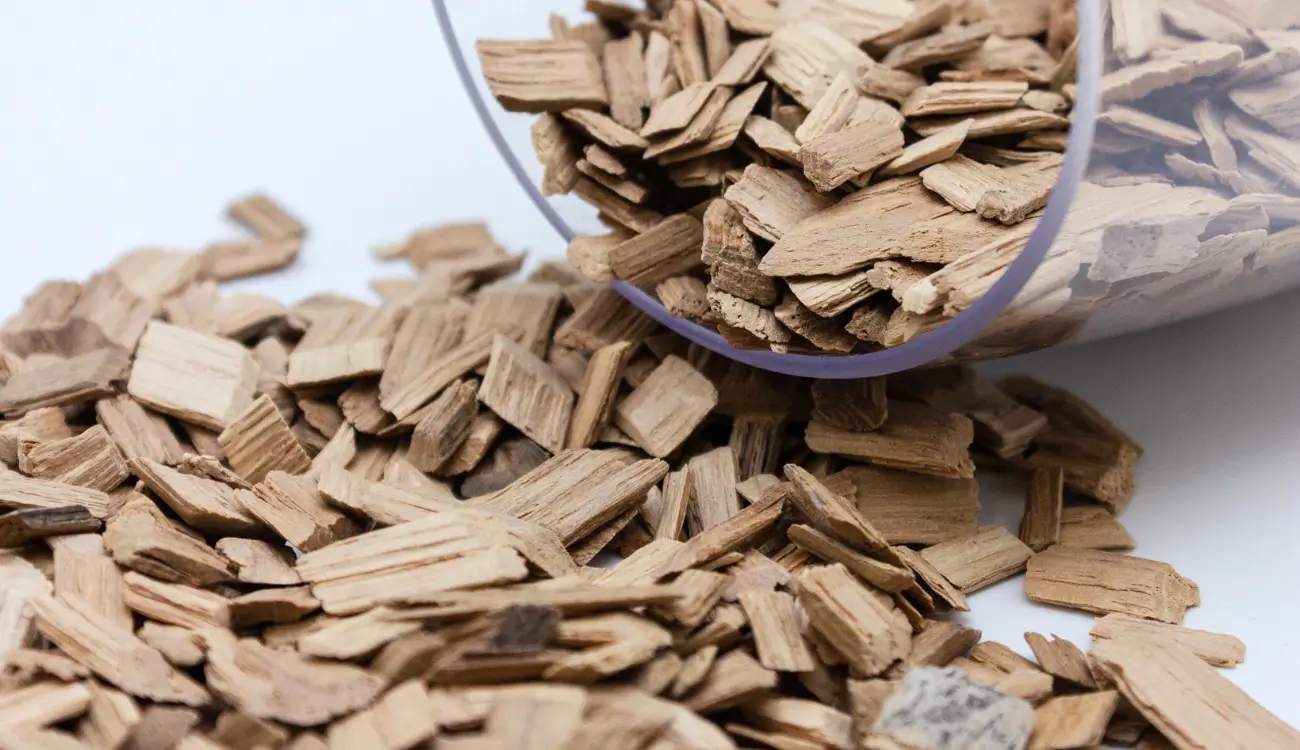
Oak chips are cut pieces of oak that can be added directly to wine during aging. Unlike a barrel, which naturally influences wine over time, chips provide more control and flexibility. They come in different shapes and sizes, each serving a unique purpose. Smaller chips release their flavors quickly, making them a great choice for shorter aging periods or for use during fermentation. Larger chips extract more slowly, offering a more gradual integration of flavor, often lasting for several months.
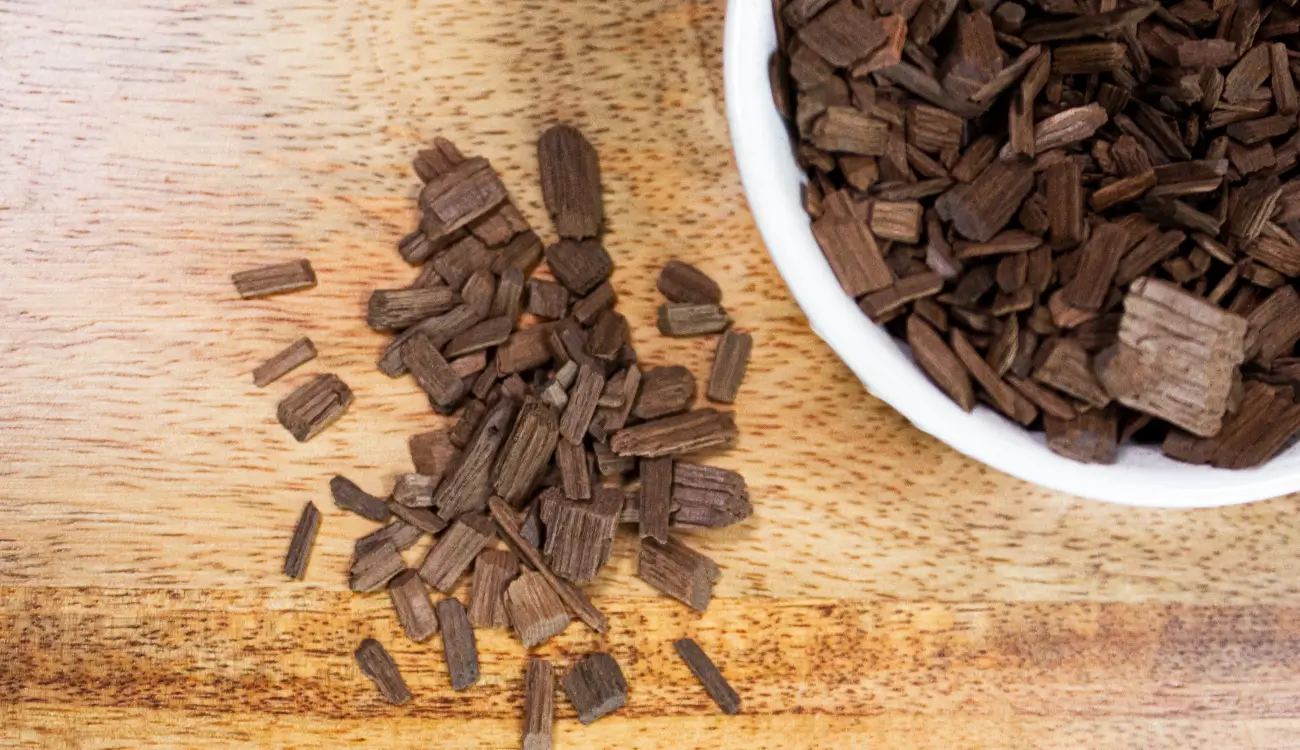
Beyond size, oak chips are also crafted in different toast levels, which shape the final taste profile of the wine. A light toast brings out fresh fruit character with subtle notes of coconut and clove. Medium toast emphasizes richer oak and spice elements. Medium-plus toast highlights vanilla, caramel, and butterscotch while still offering balance. Heavy toast leans toward bolder flavors like mocha, toffee, and deep spice. These options allow winemakers to fine-tune their approach and create a wine that best suits their style.
Benefits of Oak Chips
Oak chips provide a number of benefits that appeal to both professional and home winemakers. They are cost-effective, delivering the impact of oak without the expense of full barrels. They also offer flexibility, giving winemakers the ability to adjust toast levels, chip size, and contact time for each batch.
Their compact size makes them a practical solution for those with limited storage space, while their consistent production ensures reliable results across multiple batches. Oak chips offer flavor advantages that cannot always be achieved by the use of barrels.
Explore our oak chips today!
Get started on your next batch of wine and age with the best using our premium American or French oak chips.
Factors Influencing Aging Time
The right aging time for wine with oak chips is never one-size-fits-all. It depends on the type of wine, the toast level of the oak, and how much oak you’re adding. Red wines typically benefit from longer contact because the oak helps build body, structure, and complexity. Some reds may spend several months with chips, gradually developing layers of flavor.
White wines, however, are more delicate. They usually require shorter exposure so that the oak doesn’t overshadow their fresh aromas. Fruit wines often land in between, with brief contact giving them just enough oak character without overwhelming their natural fruitiness.
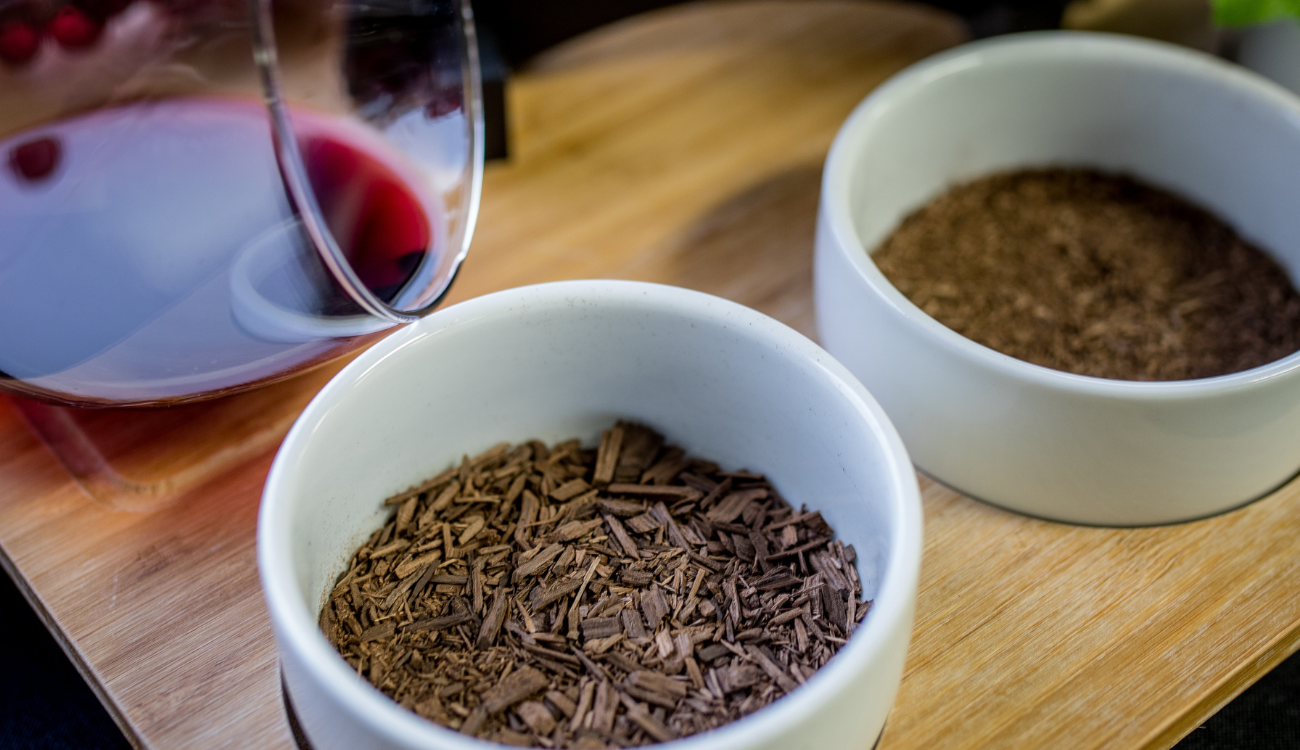
Dosage also plays a key role. Adding higher concentrations of chips will speed up flavor extraction, while smaller amounts create a gentler influence. Chips added during fermentation tend to have a stronger impact, while post-fermentation contact offers more subtle integration. Unlike fruit, oak chips contain no sugar, so they won’t alter the alcohol content of your wine. This makes them an extremely flexible tool that can be added at different stages depending on your goals. You can find more information on dosage levels specific to our oak chips here.
General Guidelines
While every batch of wine is different, there are some general timelines winemakers can use as a starting point. A short contact time of one to two weeks can add a subtle layer of oak, which often works well for lighter wines. Medium-bodied wines may benefit from three to six weeks of contact, keeping the right mix of fruit and oak flavors. For bolder reds, anywhere from two to six months of aging with oak chips may be appropriate to achieve a full, rounded oak character.
The most important part of the process is consistent tasting—checking your wine every seven to ten days ensures that you remove the chips once the ideal flavor is reached, preventing over-oaking [source].
Final Thoughts
Knowing how long to age wine with oak chips is key to achieving a balanced, flavorful result. By understanding the type of wine you’re making, choosing the right chip size and toast level, and monitoring the wine carefully during the process, you can capture the richness of oak aging without the time and cost of barrels.
Whether you’re an experienced winemaker refining your craft or someone just starting, oak chips offer a flexible and reliable way to elevate your wine.
Your wine is waiting on you!
Age your wine today with our premium oak chips

by Brandon Haas
Published on 09/30/2025
Share Article
POPULAR POSTS
OAK FOR WINERIES
Oak Barrels vs. Oak Alternatives: Which is Better?
NEWS/UPDATES
The Oak Scoop: February 2026
USING OAK IN WINEMAKING
What is Harvest and Why is it Important to Winemakers?
OAK SCIENCE
5 Ways To Make Your Alcohol Taste Better
by Brandon Haas
Published on 09/30/2025
Unsubscribe anytime. By entering your email, you agree to receive marketing emails from Oak Chips Inc. By proceeding, you agree to the Terms and Conditions and Privacy Policy.
POPULAR POSTS
OAK FOR WINERIES
Oak Barrels vs. Oak Alternatives: Which is Better?
NEWS/UPDATES
The Oak Scoop: February 2026
USING OAK IN WINEMAKING
What is Harvest and Why is it Important to Winemakers?
OAK SCIENCE
5 Ways To Make Your Alcohol Taste Better
ON THIS PAGE
Age your wine with oak chips.
- Shop Now
Oak has shaped the craft of winemaking for centuries, adding depth, complexity, and character to wines across the globe. Traditionally, barrels have been the tool of choice for introducing oak into wine and other spirits, but they come with high costs, significant storage needs, and a long aging process. That’s where oak chips come in.
Oak chips give winemakers the ability to capture the essence of oak aging without the commitment of full barrels. One of the most commonly asked questions is: How long should you actually age wine with oak chips? The answer depends on the style of wine you’re making, the flavors you want to highlight, and the type of oak chips you’re using.
What are Oak Chips?
Oak chips are cut pieces of oak that can be added directly to wine during aging. Unlike a barrel, which naturally influences wine over time, chips provide more control and flexibility. They come in different shapes and sizes, each serving a unique purpose. Smaller chips release their flavors quickly, making them a great choice for shorter aging periods or for use during fermentation. Larger chips extract more slowly, offering a more gradual integration of flavor, often lasting for several months.
Beyond size, oak chips are also crafted in different toast levels, which shape the final taste profile of the wine. A light toast brings out fresh fruit character with subtle notes of coconut and clove. Medium toast emphasizes richer oak and spice elements. Medium-plus toast highlights vanilla, caramel, and butterscotch while still offering balance. Heavy toast leans toward bolder flavors like mocha, toffee, and deep spice. These options allow winemakers to fine-tune their approach and create a wine that best suits their style.
Benefits of Oak Chips
Oak chips provide a number of benefits that appeal to both professional and home winemakers. They are cost-effective, delivering the impact of oak without the expense of full barrels. They also offer flexibility, giving winemakers the ability to adjust toast levels, chip size, and contact time for each batch.
Their compact size makes them a practical solution for those with limited storage space, while their consistent production ensures reliable results across multiple batches. Oak chips offer flavor advantages that cannot always be achieved by the use of barrels.
Explore our oak chips today!
Get started on your next batch of wine and age with the best using our premium American or French oak chips.
Factors Influencing Aging Time
The right aging time for wine with oak chips is never one-size-fits-all. It depends on the type of wine, the toast level of the oak, and how much oak you’re adding. Red wines typically benefit from longer contact because the oak helps build body, structure, and complexity. Some reds may spend several months with chips, gradually developing layers of flavor.
White wines, however, are more delicate. They usually require shorter exposure so that the oak doesn’t overshadow their fresh aromas. Fruit wines often land in between, with brief contact giving them just enough oak character without overwhelming their natural fruitiness.
Dosage also plays a key role. Adding higher concentrations of chips will speed up flavor extraction, while smaller amounts create a gentler influence. Chips added during fermentation tend to have a stronger impact, while post-fermentation contact offers more subtle integration. Unlike fruit, oak chips contain no sugar, so they won’t alter the alcohol content of your wine. This makes them an extremely flexible tool that can be added at different stages depending on your goals. You can find more information on dosage levels specific to our oak chips here.
General Guidelines
While every batch of wine is different, there are some general timelines winemakers can use as a starting point. A short contact time of one to two weeks can add a subtle layer of oak, which often works well for lighter wines. Medium-bodied wines may benefit from three to six weeks of contact, keeping the right mix of fruit and oak flavors. For bolder reds, anywhere from two to six months of aging with oak chips may be appropriate to achieve a full, rounded oak character.
The most important part of the process is consistent tasting—checking your wine every seven to ten days ensures that you remove the chips once the ideal flavor is reached, preventing over-oaking [source].
Final Thoughts
Knowing how long to age wine with oak chips is key to achieving a balanced, flavorful result. By understanding the type of wine you’re making, choosing the right chip size and toast level, and monitoring the wine carefully during the process, you can capture the richness of oak aging without the time and cost of barrels.
Whether you’re an experienced winemaker refining your craft or someone just starting, oak chips offer a flexible and reliable way to elevate your wine.
Your wine is waiting on you!
Age your wine today with our premium oak chips
by Brandon Haas
Published on 09/30/2025
Share Article